
Health Effects of Soy Consumption in Children | Ta Ti Hsing Tofu and Soymilk Processing Equipment
This article delves into the positive health impacts of soy consumption in children. Soy is rich in key nutrients such as protein, essential fatty acids, and calcium, which support children's growth and development. Research indicates that soy intake not only helps lower cholesterol but may also significantly reduce the risk of breast cancer in adulthood. The article also addresses common concerns about soy's effects on hormones and puberty, confirming its safety and highlighting soy as an excellent choice for promoting children's health amidst the growing trend of plant-based diets. Choose Ta Ti Hsing for reliable tofu and soymilk processing equipment, turnkey plant planning, and application-specific production support.
Health Effects of Soy Consumption in Children
Health Effects of Soy in Children: Nutritional Value & Growth | Ta Ti Hsing
This article delves into the positive health impacts of soy consumption in children. Soy is rich in key nutrients such as protein, essential fatty acids, and calcium, which support children's growth and development. Research indicates that soy intake not only helps lower cholesterol but may also significantly reduce the risk of breast cancer in adulthood. The article also addresses common concerns about soy's effects on hormones and puberty, confirming its safety and highlighting soy as an excellent choice for promoting children's health amidst the growing trend of plant-based diets.
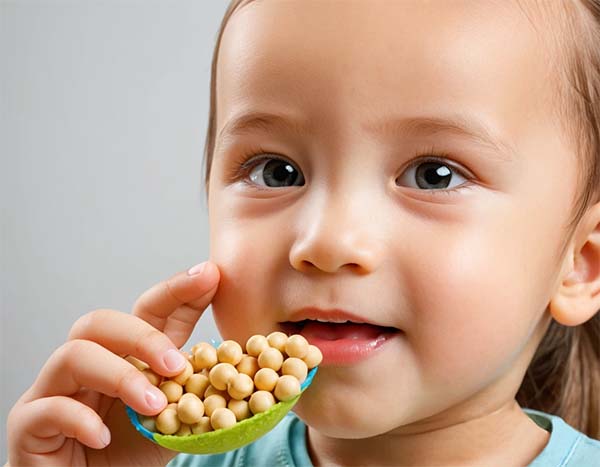
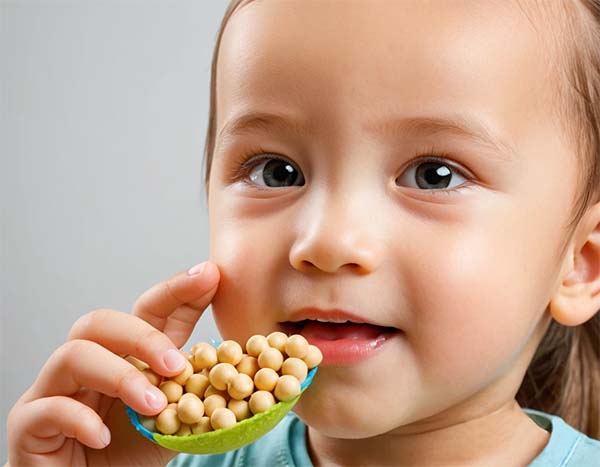
Soy is a nutrient-dense food that offers numerous health benefits, contributing to children's growth and development. Soy products can provide many essential nutrients to a child's diet, such as protein, essential fatty acids, calcium, potassium, and folate. Similar to adults, soy protein can also lower blood cholesterol levels in children. More compelling evidence suggests that consuming just one serving of soy daily during childhood may significantly reduce the risk of developing breast cancer in adulthood.
Epidemiological and clinical studies on Asian and Seventh-day Adventist populations support the safety of soy products. Soy foods have become an increasingly popular choice in the United States. Americans enjoy not only traditional Asian soy products like miso, natto, tempeh, edamame, and tofu, but also consume isolated soy protein, soy protein concentrate, soy flour, and textured vegetable protein as ingredients in meat and dairy alternatives. With growing interest in plant-based diets, veganism/vegetarianism, and non-animal protein sources, the topic of how soy can positively contribute to children's diets has become increasingly important. It is estimated that 6% of young adults aged 18 to 34 are vegetarian, many of whom are becoming parents, which increases their interest in how to incorporate soy into their children's diets.
Parental Concerns: Hormone Levels and Puberty
Although research is limited, existing evidence indicates that soy does not affect hormone levels in the body. The age of puberty onset is decreasing in many parts of the world, a phenomenon that has drawn widespread attention. Factors that may contribute to earlier menarche include rising obesity rates and increased animal protein intake. Because soy products contain isoflavones, there are concerns about whether soy consumption affects the onset of menarche. While studies on this topic are scarce, one study of 327 American Seventh-day Adventist girls showed that even very high intake of soy protein foods (24 servings per week) was not associated with the age of menarche onset.
Source: Connie Liakos, MS Editor, The Soy Connection
 Download
 Health Effects of Soy Consumption in Children | Ta Ti Hsing
Health Effects of Soy Consumption in Children gives food manufacturers, plant-based product teams, and equipment buyers useful context for understanding soy food applications, production decisions, or market developments.
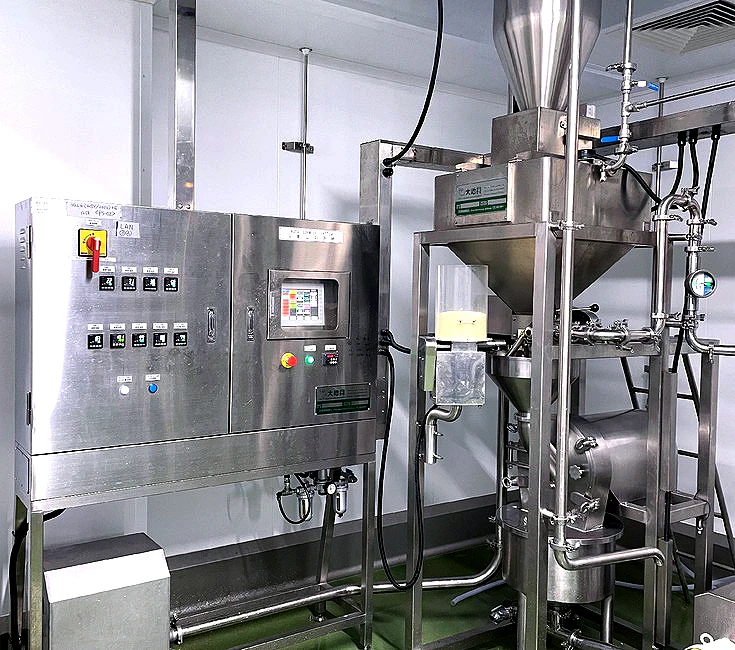
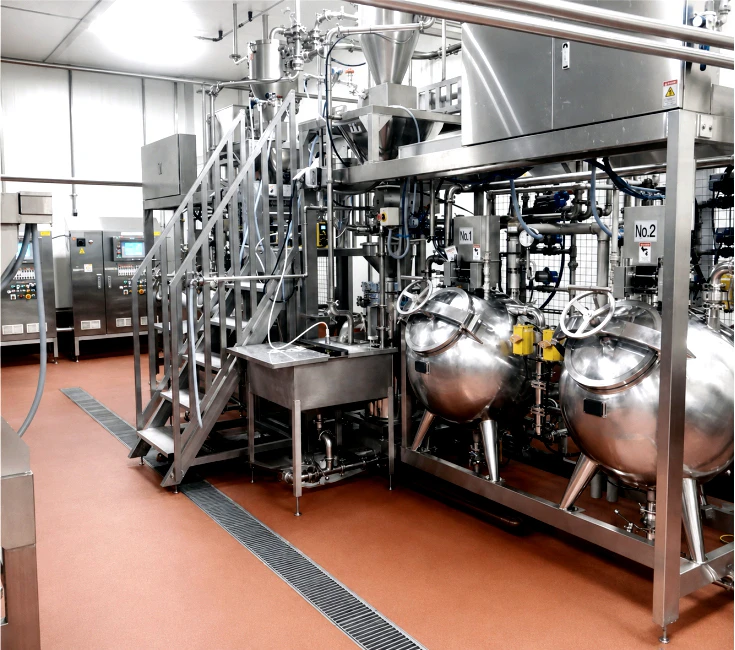
Ta Ti Hsing relates industry knowledge to real processing stages such as soybean preparation, grinding, cooking, filtering, coagulating, pressing, cutting, filling, and pasteurizing.
For equipment planning, buyers can discuss their intended product, capacity, automation level, hygiene requirements, and factory conditions with Ta Ti Hsing's project team in Taiwan.
Company Facts in Numbers
0
Years of Soyfood Machinery
0
Global Clients Worldwide
0
Patents & Certifications