
Pros and Cons of Soy Milk | Ta Ti Hsing Tofu and Soymilk Processing Equipment
This article delves into the pros and cons of soy milk as a dairy alternative. Soy milk is rich in complete plant-based protein, calcium, iron, and B vitamins, which support bone, blood, and nerve health. However, commercially available flavored soy milk often contains added sugars, which can increase calorie intake and health risks. This article provides a comprehensive nutritional analysis to help you make healthier choices. Choose Ta Ti Hsing for reliable tofu and soymilk processing equipment, turnkey plant planning, and application-specific production support.
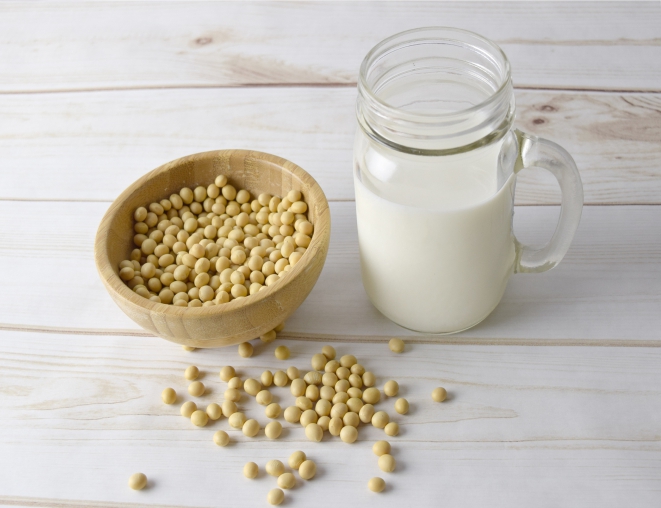
Pros and Cons of Soy Milk
A Complete Analysis of the Pros and Cons of Soy Milk: Understanding the Nutritional Value of Plant-Based Protein | Ta Ti Hsing
This article delves into the pros and cons of soy milk as a dairy alternative. Soy milk is rich in complete plant-based protein, calcium, iron, and B vitamins, which support bone, blood, and nerve health. However, commercially available flavored soy milk often contains added sugars, which can increase calorie intake and health risks. This article provides a comprehensive nutritional analysis to help you make healthier choices.
If you are allergic to dairy, lactose intolerant, or simply dislike the taste of cow's milk, soy milk is an excellent alternative. Compared to cow's milk, soy milk typically has a longer shelf life. Some varieties can even be stored at room temperature for months, helping to reduce food waste from spoilage. Soy milk offers several nutritional advantages, but the high sugar content in some flavored versions can also pose health risks.
Nutritional Advantages of Soy Milk
- High-Quality Complete Protein
Soy milk is an excellent source of high-quality protein. Unlike most plant-based proteins, soybeans contain all nine essential amino acids your body needs, making them a "complete protein." Your body uses these amino acids to build new proteins, such as antibodies for immune function, structural proteins that support your tissues, and enzymes that help your cells produce energy. Each cup of unsweetened, plain soy milk provides about 7 grams of protein. - Rich in Calcium and Iron
Drinking soy milk helps you consume more calcium and iron. Your body needs calcium to maintain bone density and strength. If your intake is insufficient, your body will draw calcium from your bones, which can lead to osteoporosis over time. A cup of unsweetened, plain soy milk contains about 299 milligrams of calcium, which is 30% of the daily recommended intake. The iron in soy milk supports the normal function of red blood cells, ensuring all your body's tissues get enough oxygen. Each serving of soy milk provides 1.1 milligrams of iron, which is 14% of the daily recommended intake for men and 6% for women. - Rich in Riboflavin and Vitamin B12
Soy milk is also a good source of B-complex vitamins, especially riboflavin (vitamin B2) and vitamin B12. Adequate vitamin B12 helps your cells produce DNA and supports red blood cell function and nervous system health. One serving of soy milk provides 3 micrograms of vitamin B12, exceeding the daily requirement of 2.4 micrograms. Riboflavin helps your cells produce energy and protects your DNA from damage. A cup of soy milk provides 0.51 milligrams of riboflavin, meeting 39% of the daily recommended intake for men and 46% for women.
Potential Disadvantages and Considerations
Regarding concerns about drinking soy milk, we should distinguish between facts and myths. According to research from the University of Maryland Medical Center, soy products are safe for most people. The main exceptions are individuals with soy allergies and recent breast cancer patients. Because soy products (including soy milk) contain compounds structurally similar to estrogen, a diet rich in soy may pose health risks if you have recently had an estrogen-sensitive breast cancer, and further research is needed to determine its safety.
However, some soy milk products do have a major nutritional drawback: excessive added sugar. Added sugars increase calories without providing nutritional value and may increase the risk of cardiovascular disease. It is recommended to choose unsweetened soy milk to avoid excessive added sugar, as it contains only 1 gram of natural sugar. In contrast, chocolate and vanilla-flavored soy milk may contain up to 18 grams and 6 grams of added sugar per serving, respectively.



 Download
 Pros and Cons of Soy Milk | Ta Ti Hsing
Pros and Cons of Soy Milk gives food manufacturers, plant-based product teams, and equipment buyers useful context for understanding soy food applications, production decisions, or market developments.
Ta Ti Hsing relates industry knowledge to real processing stages such as soybean preparation, grinding, cooking, filtering, coagulating, pressing, cutting, filling, and pasteurizing.
For equipment planning, buyers can discuss their intended product, capacity, automation level, hygiene requirements, and factory conditions with Ta Ti Hsing's project team in Taiwan.
Company Facts in Numbers
0
Years of Soyfood Machinery
0
Global Clients Worldwide
0
Patents & Certifications