
Amino Acids in Soy Protein | Ta Ti Hsing Tofu and Soymilk Processing Equipment
Soy protein is a high-quality, complete plant-based protein, rich in the nine essential amino acids that the human body cannot synthesize on its own. This article provides an in-depth analysis of the types and functions of these amino acids and their importance to human health. We will explore the complete nutritional profile of soy protein and discuss its characteristics regarding the content of specific amino acids, such as methionine, to provide food manufacturers with key knowledge for the application of soy-based raw materials. Choose Ta Ti Hsing for reliable tofu and soymilk processing equipment, turnkey plant planning, and application-specific production support.
Amino Acids in Soy Protein
The Complete Amino Acid Profile of Soy Protein: Understanding the Nutritional Value of the Nine Essential Amino Acids | Ta Ti Hsing
Soy protein is a high-quality, complete plant-based protein, rich in the nine essential amino acids that the human body cannot synthesize on its own. This article provides an in-depth analysis of the types and functions of these amino acids and their importance to human health. We will explore the complete nutritional profile of soy protein and discuss its characteristics regarding the content of specific amino acids, such as methionine, to provide food manufacturers with key knowledge for the application of soy-based raw materials.
Soy Protein: A Complete Plant-Based Protein
Proteins in food are composed of amino acids, and their quality depends on the quantity and types of amino acids they contain. Animal-based foods contain high-quality protein, with egg protein being of the highest quality. Unlike other plant-based proteins, soy protein contains all the essential amino acids required to maintain human health, making it a 'complete protein' with nutritional value comparable to animal protein.
Types of Amino Acids
The human body requires 20 types of amino acids to build proteins for normal growth and health. According to MedlinePlus.com, nine of these are called 'essential amino acids' because the body cannot produce them and they must be obtained from the diet. These nine essential amino acids, found in soy protein and various animal-based foods, are: histidine, isoleucine, leucine, lysine, methionine, phenylalanine, threonine, tryptophan, and valine. Additionally, arginine is essential for children but not for adults. There are also 10 non-essential amino acids that can be obtained from different foods, and the body can synthesize them if they are not provided in the diet.
Functions of Amino Acids
In the digestive system, soy protein is broken down into amino acids, which are then absorbed into the bloodstream and transported throughout the body. During this process, some amino acids combine with others to form various types of proteins that provide structural support to organs and tissues and play crucial roles in many bodily functions. Certain amino acids in soy protein also function as hormones, enzymes, and other active substances in the body. In emergencies where carbohydrate and fat supplies are insufficient, the body can also use protein as an energy source.
Rich Sources
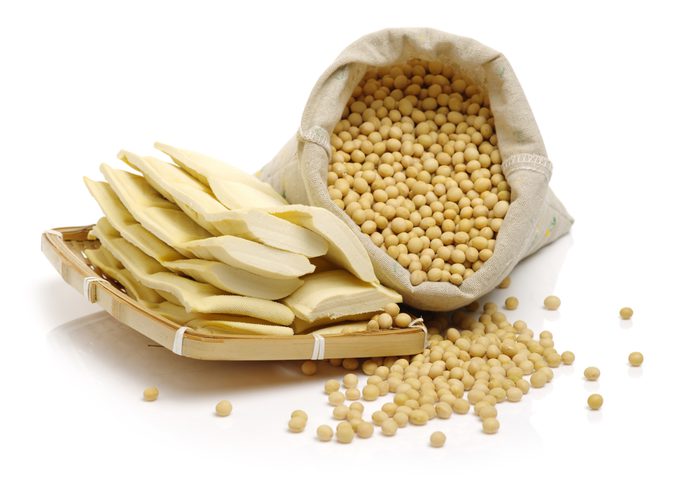
The amino acids in soy protein are found in various soybean products, with different contents and combinations. Common sources include tofu, soy flour, soymilk, Textured Soy Protein, vegetarian meat, miso (fermented soybean paste), soybeans themselves, and edamame (immature green soybeans).
Nutritional Limitations
Soy protein contains two essential amino acids—methionine and lysine—but in relatively low amounts. According to research published by the USDA in the 'Journal of Agricultural and Food Chemistry,' this limitation, combined with allergies or digestive issues in some individuals, means that for certain people, the nutritional value of soy protein may not be as high as that of animal protein.
 Download
 Amino Acids in Soy Protein | Ta Ti Hsing
Amino Acids in Soy Protein gives food manufacturers, plant-based product teams, and equipment buyers useful context for understanding soy food applications, production decisions, or market developments.
Ta Ti Hsing relates industry knowledge to real processing stages such as soybean preparation, grinding, cooking, filtering, coagulating, pressing, cutting, filling, and pasteurizing.
For equipment planning, buyers can discuss their intended product, capacity, automation level, hygiene requirements, and factory conditions with Ta Ti Hsing's project team in Taiwan.
Company Facts in Numbers
0
Years of Soyfood Machinery
0
Global Clients Worldwide
0
Patents & Certifications