
Soy Protein and Cholesterol | Ta Ti Hsing Tofu and Soymilk Processing Equipment
Studies show that consuming whole soy foods like tofu, soy milk, and edamame can help moderately lower low-density lipoprotein (LDL), commonly known as 'bad cholesterol.' In a balanced diet, replacing foods high in animal fat with soy products is an effective way to improve cardiovascular health. Soybeans are not only a source of high-quality protein but are also rich in fiber and Omega-3 fatty acids, making them an ideal choice for maintaining health. Choose Ta Ti Hsing for reliable tofu and soymilk processing equipment, turnkey plant planning, and application-specific production support.
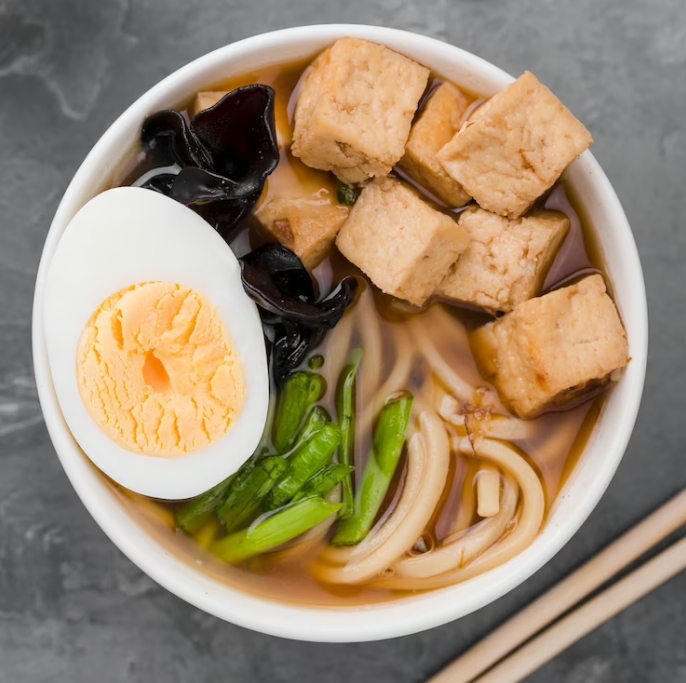
Soy Protein and Cholesterol
Soy Protein and Cholesterol: The Benefits of Consuming Soy Products for Cardiovascular Health
Studies show that consuming whole soy foods like tofu, soy milk, and edamame can help moderately lower low-density lipoprotein (LDL), commonly known as 'bad cholesterol.' In a balanced diet, replacing foods high in animal fat with soy products is an effective way to improve cardiovascular health. Soybeans are not only a source of high-quality protein but are also rich in fiber and Omega-3 fatty acids, making them an ideal choice for maintaining health.
Consume Soy Protein to Improve Cholesterol
If you are working to improve your cholesterol levels, adding soy products like tofu, soy milk, or edamame to your daily diet is a wise choice. Some studies suggest that soy protein can be beneficial. Although the strength of the evidence requires more research, adjusting your diet to improve cholesterol is urgent.
Eating soy foods can help lower low-density lipoprotein (LDL, or "bad cholesterol") by about 3%. While this reduction is not large, it is still worth considering as you try various methods to improve your cholesterol. Additionally, soybeans are a good source of high-quality protein, fiber, and heart-healthy Omega-3 fatty acids (though the type of Omega-3 is different from that in salmon or tuna). More importantly, soybeans themselves contain no cholesterol and are very low in saturated fat.
How to Choose Soy Products
To get the most benefit, the most effective method is to replace foods rich in animal fats in your daily diet with soy products. Here are some specific suggestions:
- Replace chicken with soy alternatives like firm tofu.
- Use soy protein instead of ground beef.
- Choose soy-based hot dogs instead of regular meat hot dogs.
- Try drinking soy milk instead of cow's milk, and make sure it is fortified with calcium and vitamin D and is not high in sugar.
- Use soy nut butter instead of butter.
- Try soy-based cheese instead of high-fat cheese.
- Enjoy a cup of edamame instead of processed snacks like potato chips.
However, there is one exception: soy supplements. There is currently no conclusive evidence that adding soy isoflavone supplements to your diet provides benefits. Therefore, it is recommended to stick to eating natural, whole soy foods.
Three Key Points to Note
When purchasing and consuming soy products, please keep the following points in mind:
- Although soy sauce and soybean oil have "soy" in their names, they do not contain soy protein.
- Read the nutrition labels. Ensure the soy products you buy are low in saturated fat, cholesterol, salt, and added sugars.
- If you see "soya" on packaged foods, this is another word for soy in English.
Recommended Intake
If you are new to soy products, it is recommended to gradually incorporate them into your diet. Replacing animal protein with soy protein several times a week is the best way to reduce saturated fat intake and lower overall disease risk.
A small amount can be beneficial. The ideal dietary pattern is a varied one that includes fruits, vegetables, nuts, seeds, whole grains, and legumes, rather than relying heavily on a single soy product. Moderate consumption of soy is safe for most people, but it is still important to observe your body's reaction. A very small number of people may experience digestive issues (such as stomach pain, loose stools, or diarrhea) after eating soy, and some are allergic to soy. If you have any concerns, it is recommended to consult your doctor or a nutritionist to discuss the appropriate amount of soy for your diet.
 Download
 Soy Protein and Cholesterol | Ta Ti Hsing
Soy Protein and Cholesterol gives food manufacturers, plant-based product teams, and equipment buyers useful context for understanding soy food applications, production decisions, or market developments.
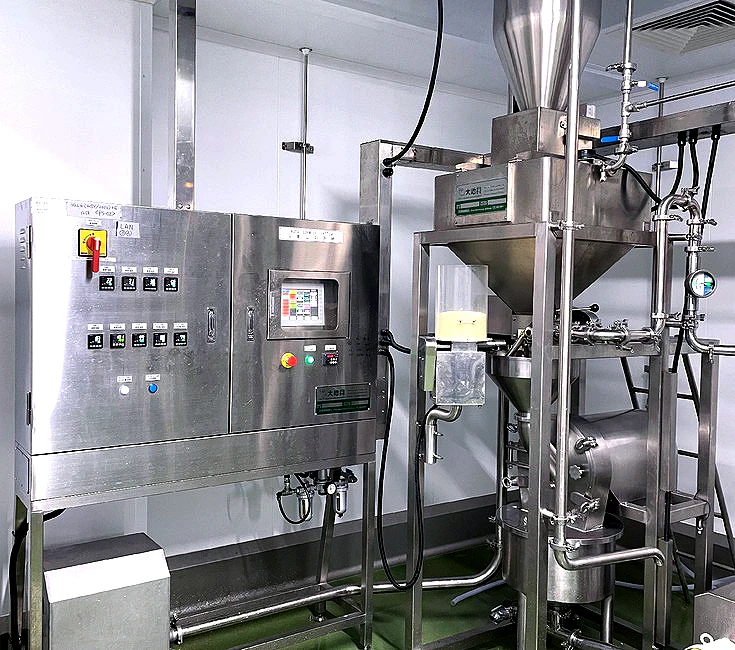
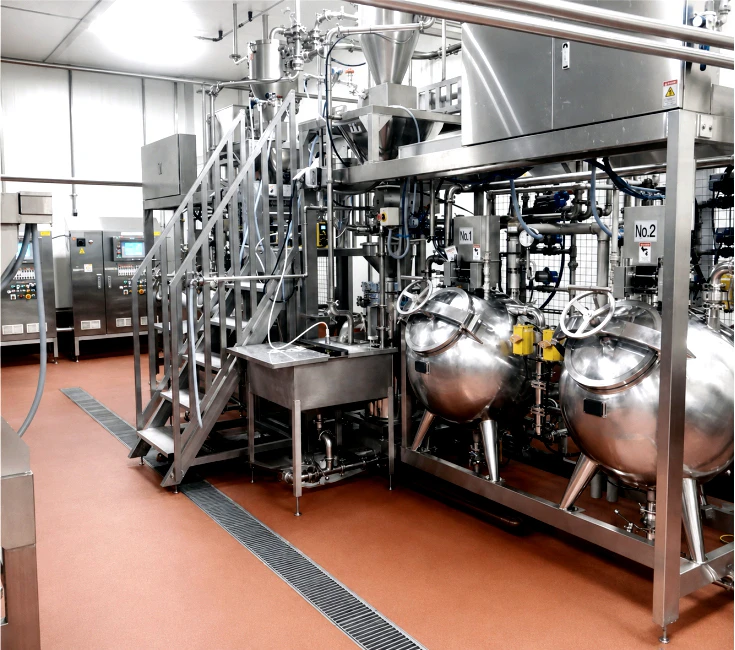
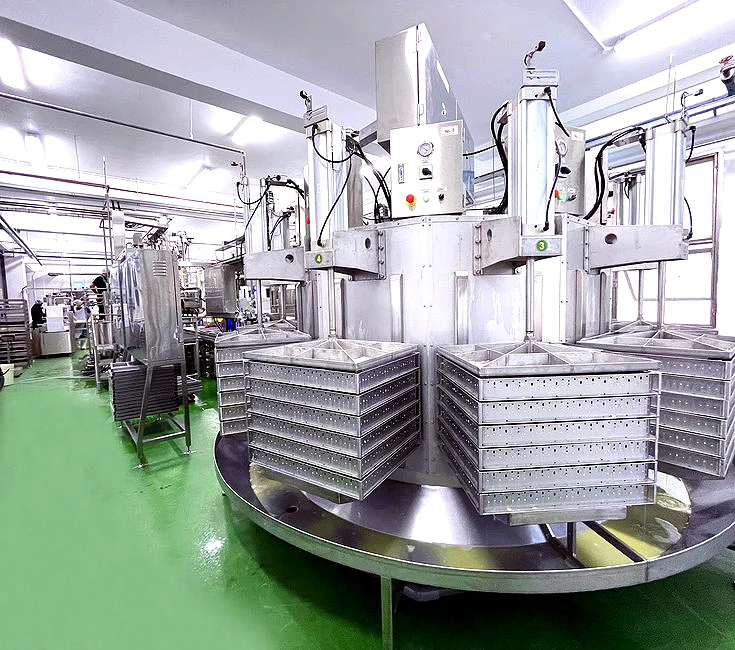
Ta Ti Hsing relates industry knowledge to real processing stages such as soybean preparation, grinding, cooking, filtering, coagulating, pressing, cutting, filling, and pasteurizing.
For equipment planning, buyers can discuss their intended product, capacity, automation level, hygiene requirements, and factory conditions with Ta Ti Hsing's project team in Taiwan.
Company Facts in Numbers
0
Years of Soyfood Machinery
0
Global Clients Worldwide
0
Patents & Certifications