
Nutritional Value and Processing Knowledge of Soy Products | Ta Ti Hsing Tofu and Soymilk Processing Equipment
Soybeans are rich in high-quality plant-based protein, making them a highly nutritious natural food. However, consuming raw soybeans can hinder digestion due to the naturally occurring 'trypsin inhibitors.' This article will delve into how the processing of soy products, through heating procedures, effectively eliminates these inhibitors, thereby significantly increasing protein absorption and bioavailability. From soymilk and tofu to dried tofu, these common soy products not only retain the nutrients of soybeans but are also transformed into a source of healthy protein that is more easily absorbed by the human body through professional food processing techniques. Choose Ta Ti Hsing for reliable tofu and soymilk processing equipment, turnkey plant planning, and application-specific production support.
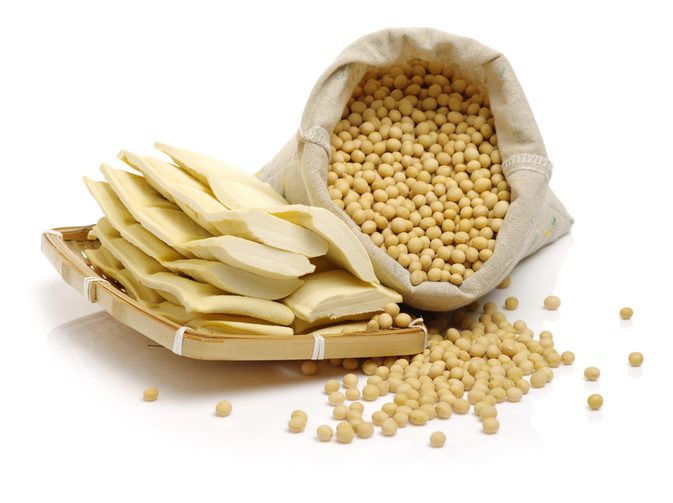
Nutritional Value and Processing Knowledge of Soy Products
The High Nutritional Value of Soy Products: How Heat Processing Enhances Soy Protein Absorption | Ta Ti Hsing
Soybeans are rich in high-quality plant-based protein, making them a highly nutritious natural food. However, consuming raw soybeans can hinder digestion due to the naturally occurring 'trypsin inhibitors.' This article will delve into how the processing of soy products, through heating procedures, effectively eliminates these inhibitors, thereby significantly increasing protein absorption and bioavailability. From soymilk and tofu to dried tofu, these common soy products not only retain the nutrients of soybeans but are also transformed into a source of healthy protein that is more easily absorbed by the human body through professional food processing techniques.
Among natural foods, soybeans are highly regarded for their rich nutrients and high-quality plant-based protein, and they can be processed into a variety of products. Many people wonder if the nutritional value is lost in processed products like soymilk and tofu. In fact, proper processing not only preserves nutrients but also enhances the body's efficiency in absorbing their protein.
Heat Processing: The Key to Enhancing Soy Protein Absorption
Raw soybeans contain a natural substance called 'trypsin inhibitor.' Trypsin is an enzyme secreted by the human pancreas that helps break down proteins in the intestine. If unprocessed soybeans are consumed directly, this inhibitor hinders protein digestion and absorption. However, during the process of making soy products like soymilk and tofu, the necessary heating steps cause the trypsin inhibitor to denature due to heat, losing its inhibitory effect. This means that the protein in thoroughly heated soy products is more easily digested and utilized by the body.
Protein Denaturation and the Soy Product Manufacturing Process
When protein encounters environments such as acid, alkali, or heat, its chemical structure changes; this process is called 'denaturation.' The processing of soy products cleverly utilizes this characteristic. For example, adding vinegar to savory soymilk creates an acidic environment that denatures the protein in the soymilk, causing it to coagulate into white curds, which is a phenomenon of protein aggregation.
- Soymilk: Liquid soymilk is obtained after soybeans are washed, ground, filtered, and cooked. The solid part left after filtering is the fiber-rich okara.
- Firm Tofu (Block Tofu): Traditional tofu is made by adding a coagulant like gypsum to soymilk. After it coagulates into soy pudding (douhua), it is poured into a mold lined with cheesecloth and pressed to squeeze out water and form a block. The duration and weight of the pressing determine the tofu's moisture content and firmness.
- Dried Tofu (Dougan): The process for making dried tofu is an extension of making firm tofu. After the tofu block is formed, it is cut into smaller pieces, pressed again, and drained to make 'white dried tofu.' To extend its shelf life and add flavor, the white dried tofu is then cooked in a braising liquid to color it and reduce its moisture content, becoming the common brown dried tofu found in the market.
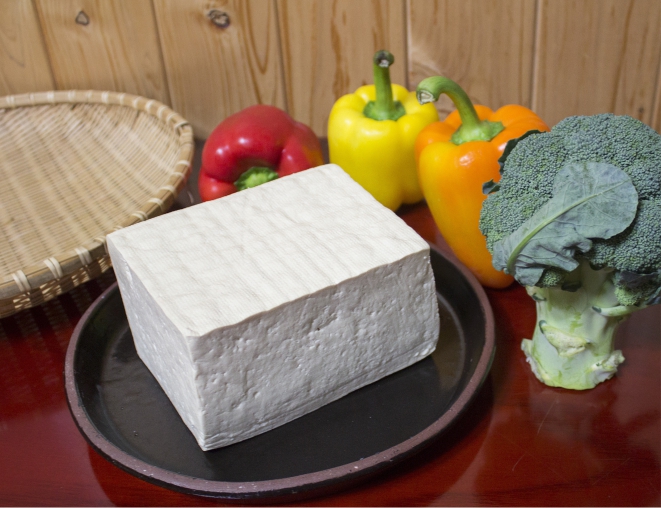
Processed tofu is an excellent ingredient for healthy dishes, providing high-quality protein.
Conclusion: Processing Makes Soybean Nutrients Easier to Absorb
Soybeans contain approximately 36% protein, 33% carbohydrates, and 16% fat. If whole soybeans are consumed directly, the protein absorption rate is relatively low. Conversely, in soy products made through processes like grinding, heating, and coagulation, the protein is denatured and thus more easily absorbed by the body. This is the marvel of food processing—it transforms high-quality natural ingredients into a more efficient and healthier source of nutrition.
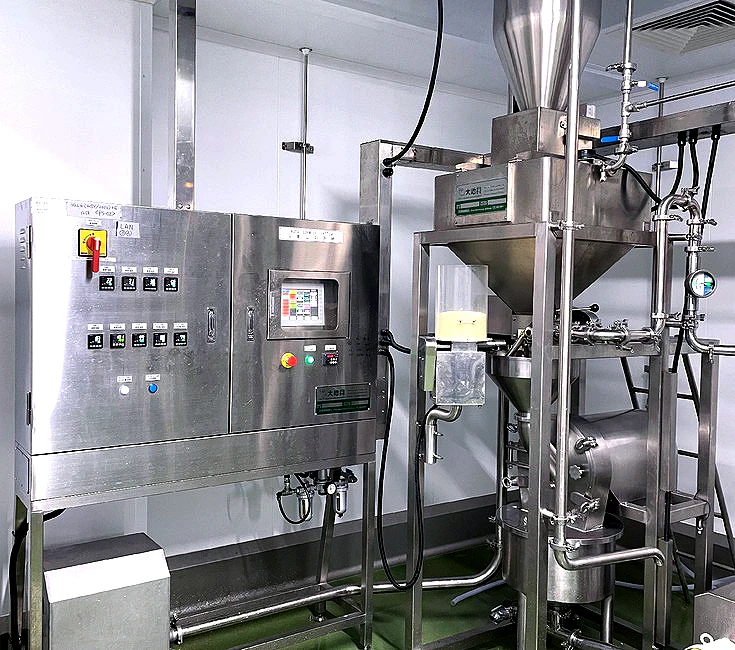
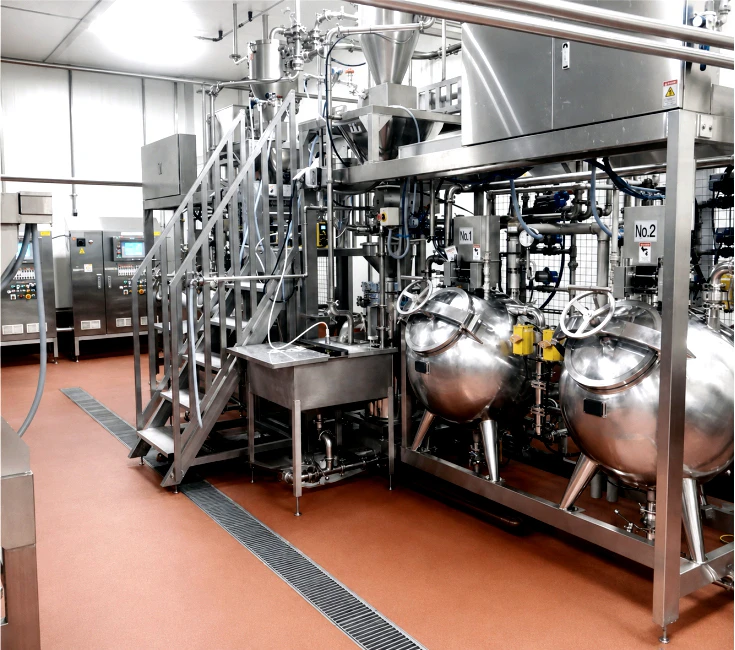
 Download
 Nutritional Value and Processing Knowledge of Soy Products | Ta Ti Hsing
Nutritional Value and Processing Knowledge of Soy Products gives food manufacturers, plant-based product teams, and equipment buyers useful context for understanding soy food applications, production decisions, or market developments.
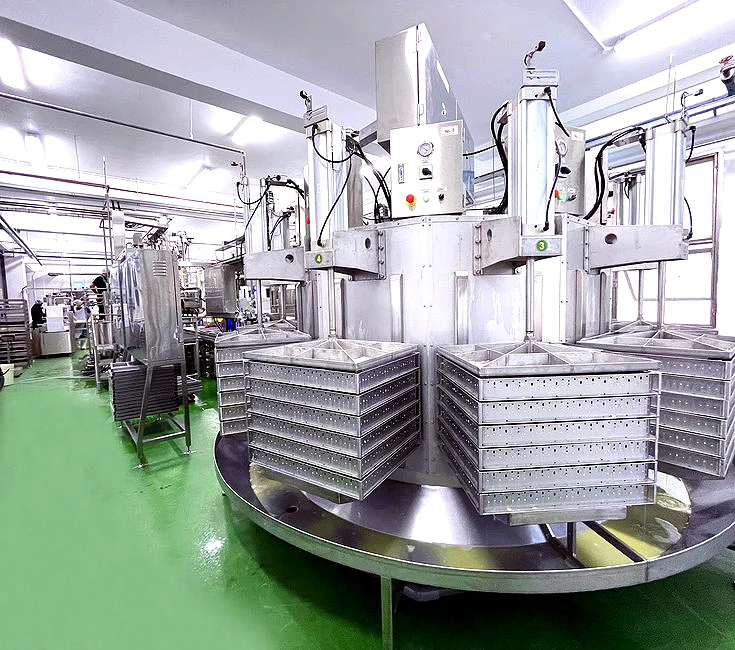
Ta Ti Hsing relates industry knowledge to real processing stages such as soybean preparation, grinding, cooking, filtering, coagulating, pressing, cutting, filling, and pasteurizing.
For equipment planning, buyers can discuss their intended product, capacity, automation level, hygiene requirements, and factory conditions with Ta Ti Hsing's project team in Taiwan.
Company Facts in Numbers
0
Years of Soyfood Machinery
0
Global Clients Worldwide
0
Patents & Certifications