
What You Should Know About Soybeans | Ta Ti Hsing Tofu and Soymilk Processing Equipment
This article provides foundational knowledge about soybeans for professionals in the food industry. It covers different types of soybeans (such as edamame, yellow soybeans, and black soybeans), their diverse applications in foods like soymilk and tofu, and their uses in non-food sectors. The article also highlights the nutritional value of soybeans as a high-protein plant and briefly mentions soy isoflavones, offering essential industry background information for food manufacturers. Choose Ta Ti Hsing for reliable tofu and soymilk processing equipment, turnkey plant planning, and application-specific production support.
What You Should Know About Soybeans
What You Should Know About Soybeans | An Analysis of Soybean Types, Applications, and Nutritional Value
This article provides foundational knowledge about soybeans for professionals in the food industry. It covers different types of soybeans (such as edamame, yellow soybeans, and black soybeans), their diverse applications in foods like soymilk and tofu, and their uses in non-food sectors. The article also highlights the nutritional value of soybeans as a high-protein plant and briefly mentions soy isoflavones, offering essential industry background information for food manufacturers.
Introduction
Soybeans are a type of legume native to Asia, widely popular for their rich protein content and diverse applications. For vegetarians, soybeans are a crucial protein source, serving as a meat substitute. Not only are soybeans beneficial for health, but their applications are also extensive, ranging from daily soy products and beverages to health supplements.
This article will delve into the types of soybeans, their potential health benefits, and the best forms for consumption, providing a comprehensive industry knowledge base for food manufacturers.
Types and Uses of Soybeans
Soybeans are a high-protein, plant-based food that can be cooked and consumed in various ways. As a member of the pea family, soybeans come in multiple colors and forms, primarily categorized as follows:
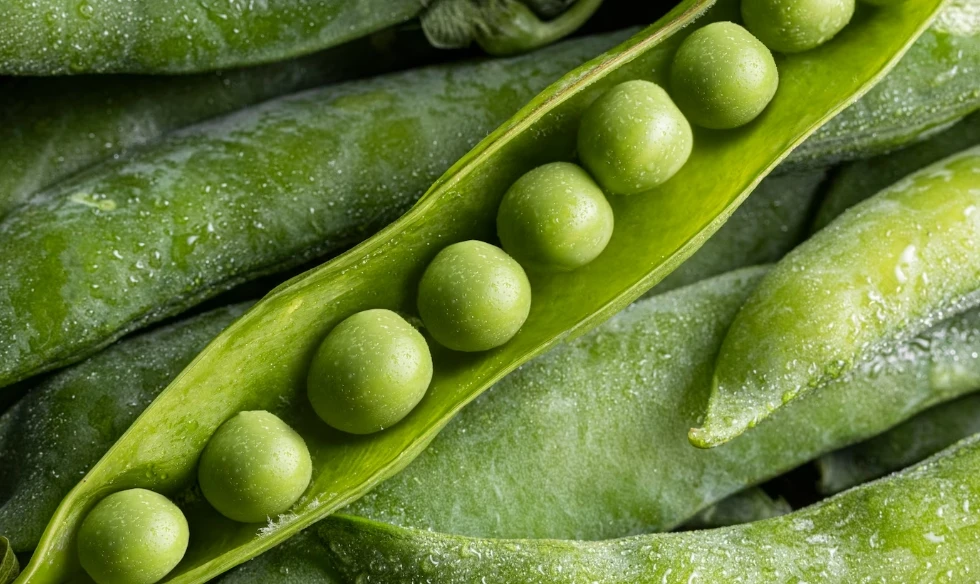
- Green Soybeans (Edamame): Immature green soybeans are commonly known as "edamame." The most frequent way to eat them is steamed and served as an appetizer, eaten directly from the pod. Shelled edamame is also often used in salads, stir-fries, or soups to add texture and nutrition.
- Yellow Soybeans: Mature yellow soybeans are the most widely used type for processing, commonly used to make soymilk, tofu, tempeh, and tamari. Additionally, yellow soybeans can be ground into soy flour for use in baked goods.
- Black Soybeans: In many Asian culinary cultures, black soybeans are often used in stews or fermented to create traditional dishes, known for their unique flavor and high nutritional value.
Diverse Commercial Applications
Beyond direct consumption, the commercial applications of soybeans are extremely broad. "Soybean oil" extracted from soybeans is not only a common cooking oil but is also used in the manufacturing of biofuels, candles, crayons, and even engine lubricants. After oil extraction, the remaining soybean meal serves as a high-quality feed ingredient for farm animals and pets.
Furthermore, manufacturers use soybeans to produce high-purity soy protein isolate powder and health supplements rich in soy isoflavones. Soy isoflavones are plant-based compounds with a structure similar to estrogen, attracting significant attention in the health and wellness sector.
 Download
 What You Should Know About Soybeans | Ta Ti Hsing
What You Should Know About Soybeans gives food manufacturers, plant-based product teams, and equipment buyers useful context for understanding soy food applications, production decisions, or market developments.
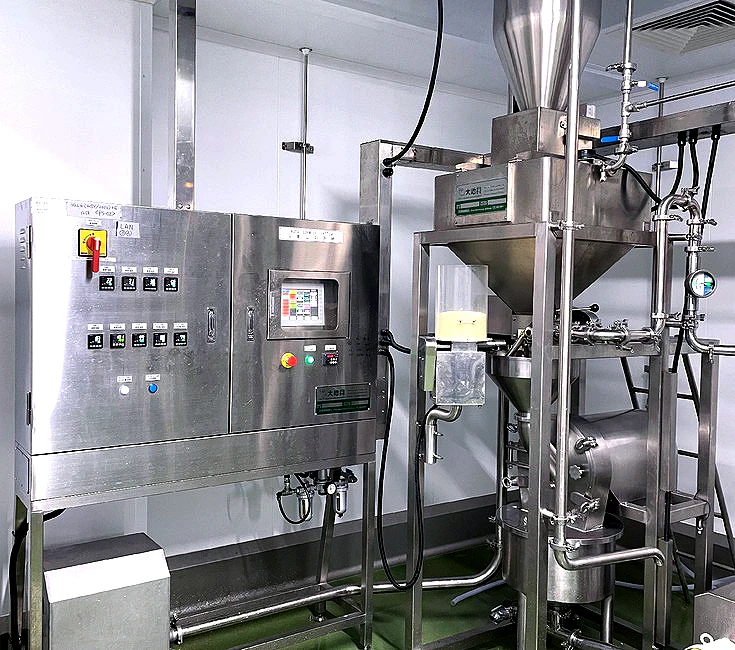
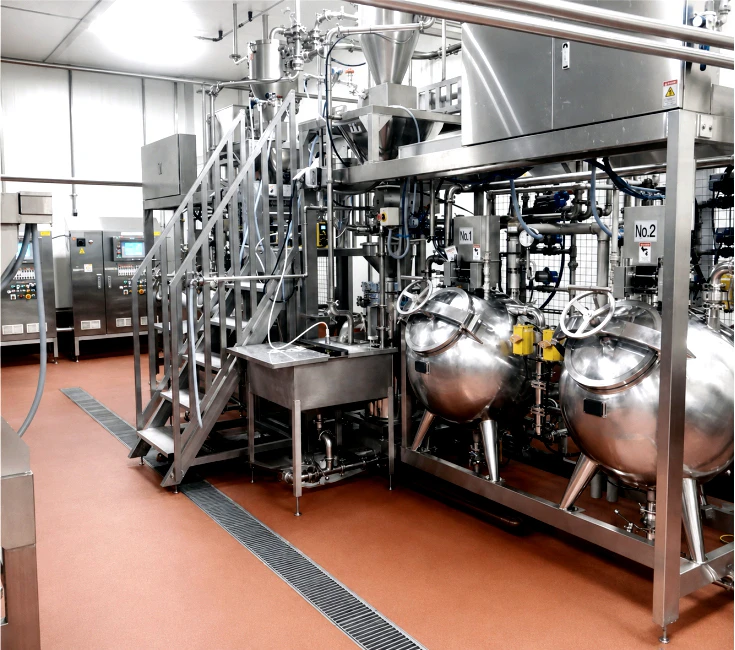
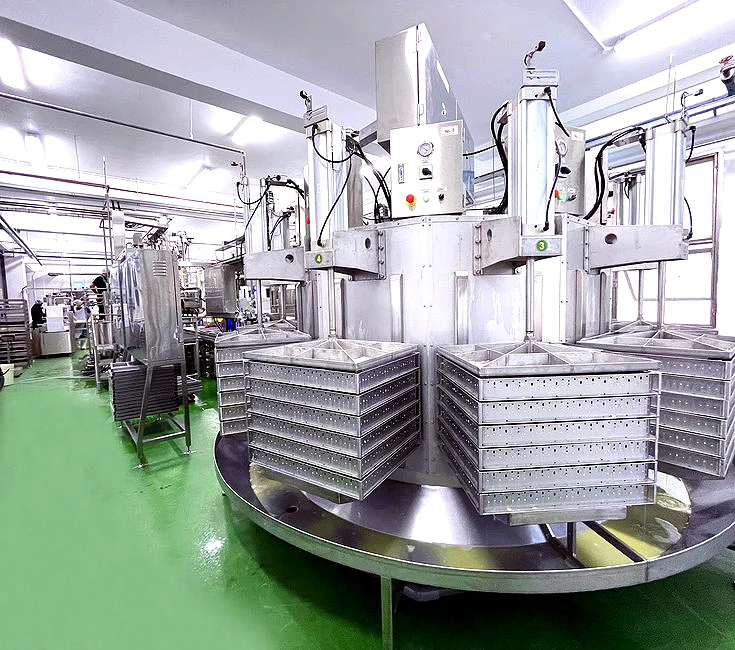
Ta Ti Hsing relates industry knowledge to real processing stages such as soybean preparation, grinding, cooking, filtering, coagulating, pressing, cutting, filling, and pasteurizing.
For equipment planning, buyers can discuss their intended product, capacity, automation level, hygiene requirements, and factory conditions with Ta Ti Hsing's project team in Taiwan.
Company Facts in Numbers
0
Years of Soyfood Machinery
0
Global Clients Worldwide
0
Patents & Certifications