
What Are Soybeans? Understanding Different Types of Soy Products | Ta Ti Hsing Tofu and Soymilk Processing Equipment
This article delves into the fundamentals of soybeans, categorizing their products into four main types: whole soybean products (e.g., edamame, soymilk, tofu), fermented products (e.g., soy sauce, tempeh, miso), processed soy foods (e.g., plant-based meat), and soy supplements (e.g., soy protein isolate). It serves as a comprehensive knowledge base for food manufacturers, detailing the various end products derived from soybeans, which aligns with Ta Ti Hsing's expertise in the field of soy food processing equipment. Choose Ta Ti Hsing for reliable tofu and soymilk processing equipment, turnkey plant planning, and application-specific production support.
What Are Soybeans? Understanding Different Types of Soy Products
What Are Soybeans? A Complete Guide to Whole, Fermented, and Processed Soy Products | Ta Ti Hsing Machinery
This article delves into the fundamentals of soybeans, categorizing their products into four main types: whole soybean products (e.g., edamame, soymilk, tofu), fermented products (e.g., soy sauce, tempeh, miso), processed soy foods (e.g., plant-based meat), and soy supplements (e.g., soy protein isolate). It serves as a comprehensive knowledge base for food manufacturers, detailing the various end products derived from soybeans, which aligns with Ta Ti Hsing's expertise in the field of soy food processing equipment.
What Are Soybeans? What Are the Different Types?
Soybeans are a type of legume that can be eaten whole or processed into various forms. The following sections introduce the different types of products made from soybeans.
Whole Soybean Products
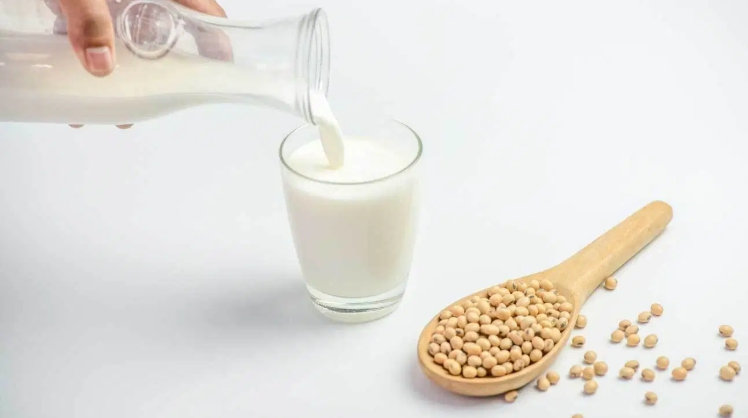
Whole soybean products are the least processed soy products. They include soybeans themselves and immature (green) soybeans, also known as edamame. Soymilk and tofu are also made from whole soybeans.
- Edamame: Mature soybeans are rarely eaten whole in Western diets, but edamame is a popular high-protein appetizer in Asian cuisine.
- Soymilk: Made by soaking and grinding whole soybeans, boiling them in water, and then filtering out the solid residue. Soymilk is a common alternative for those who are lactose intolerant or wish to avoid dairy milk.
- Tofu: Made by coagulating soymilk and then pressing the resulting curds into blocks. Tofu is a common plant-based protein source in vegetarian and vegan diets.
Fermented Soybean Products
Fermented soybean products are processed using traditional methods and include soy sauce, tempeh, miso, and natto.
- Soy Sauce: A liquid condiment made from fermented soybeans, roasted grains, brine, and a type of mold (koji).
- Tempeh: A fermented soybean cake originating from Indonesia. While not as popular as tofu, it is also commonly used as a protein source in vegetarian diets.
- Miso: A traditional Japanese seasoning paste made from soybeans, salt, and a type of mold (koji).
Processed Soy Foods
Soybeans are used to create a variety of processed foods, including vegetarian and vegan plant-based meat alternatives, yogurts, and cheeses. Soy flour, textured vegetable protein (TVP), and soybean oil are also commonly used in many packaged foods.
Soy Supplements
Soy protein isolate is a highly processed soy derivative made by grinding soybeans into flakes and extracting the oil. The flakes are then mixed with alcohol or alkaline water, heated, and the resulting concentrated soy protein is spray-dried into a powder. Soy protein isolate is commonly found in many protein powder products and is also added to many processed foods like protein bars and shakes. Other soy supplements include soy isoflavones in capsule form and soy lecithin in capsule or powder form.
 Download
 What Are Soybeans? Understanding Different Types of Soy Products | Ta Ti Hsing
What Are Soybeans? Understanding Different Types of Soy Products gives food manufacturers, plant-based product teams, and equipment buyers useful context for understanding soy food applications, production decisions, or market developments.
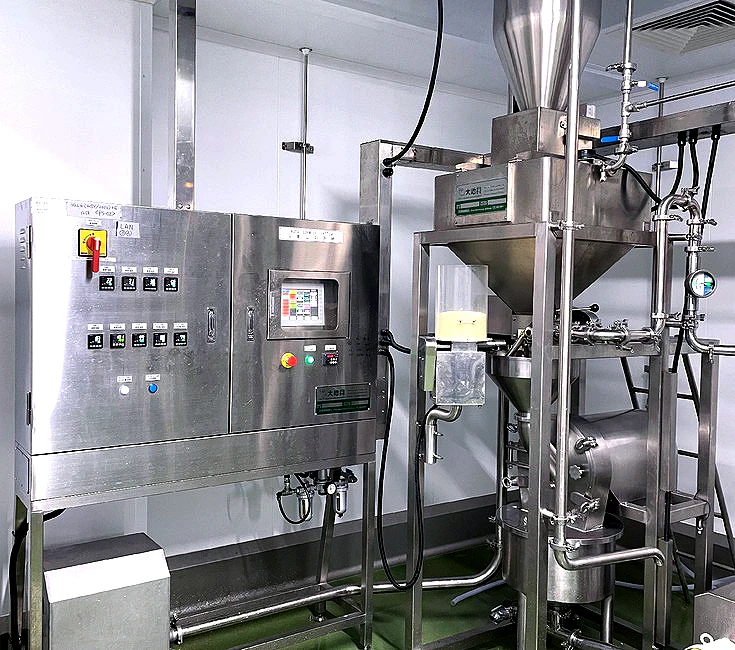
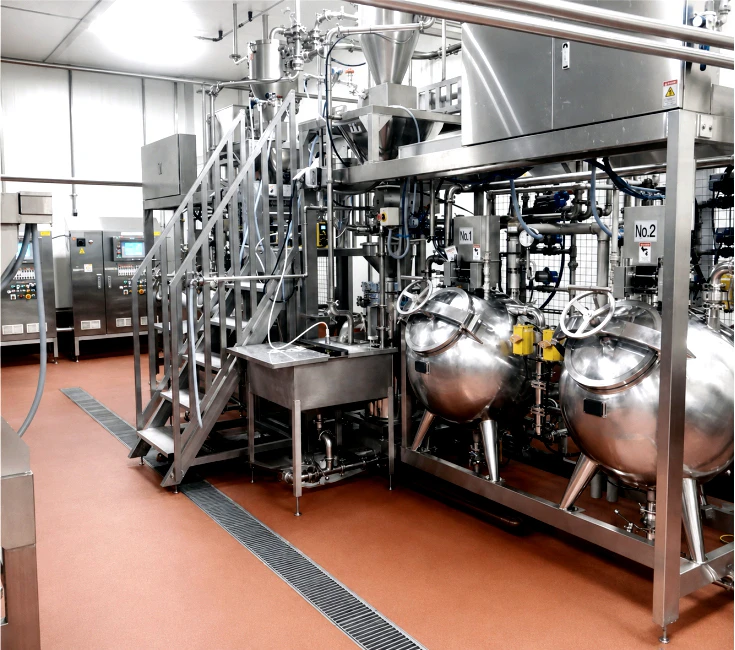
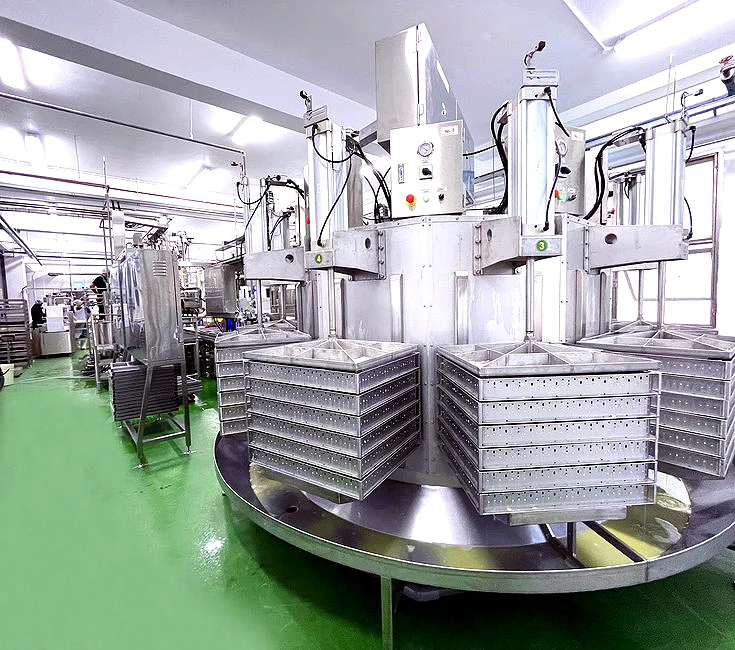
Ta Ti Hsing relates industry knowledge to real processing stages such as soybean preparation, grinding, cooking, filtering, coagulating, pressing, cutting, filling, and pasteurizing.
For equipment planning, buyers can discuss their intended product, capacity, automation level, hygiene requirements, and factory conditions with Ta Ti Hsing's project team in Taiwan.
Company Facts in Numbers
0
Years of Soyfood Machinery
0
Global Clients Worldwide
0
Patents & Certifications