
Soybeans and Black Beans: The Best Source of High-Quality Protein | Ta Ti Hsing Tofu and Soymilk Processing Equipment
According to dietary recommendations from the Ministry of Health and Welfare, protein intake should prioritize sources in the order of 'beans, fish, eggs, and meat,' with legumes like soybeans and black beans ranking first as an excellent source of high-quality protein. Soy protein is not only lower in calories and cholesterol-free but also rich in dietary fiber, which aids in promoting intestinal motility. For those focused on fitness or weight management, consuming adequate protein combined with exercise can effectively build muscle, reduce fat, and prevent sarcopenia. Supplementing with soy products like unsweetened soy milk after a workout can help stabilize blood sugar and repair muscle tissue, making it an ideal nutritional choice. Choose Ta Ti Hsing for reliable tofu and soymilk processing equipment, turnkey plant planning, and application-specific production support.
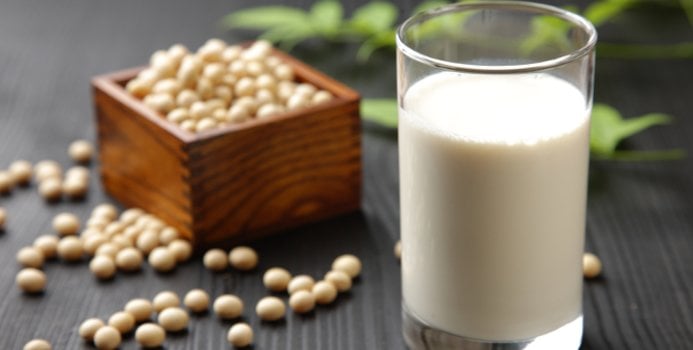
Soybeans and Black Beans: The Best Source of High-Quality Protein
Why Are Soybeans and Black Beans the Top Choice for Quality Protein? An In-depth Look at the Benefits of Plant-Based Protein for Muscle Gain and Fat Loss | Ta Ti Hsing
According to dietary recommendations from the Ministry of Health and Welfare, protein intake should prioritize sources in the order of 'beans, fish, eggs, and meat,' with legumes like soybeans and black beans ranking first as an excellent source of high-quality protein. Soy protein is not only lower in calories and cholesterol-free but also rich in dietary fiber, which aids in promoting intestinal motility. For those focused on fitness or weight management, consuming adequate protein combined with exercise can effectively build muscle, reduce fat, and prevent sarcopenia. Supplementing with soy products like unsweetened soy milk after a workout can help stabilize blood sugar and repair muscle tissue, making it an ideal nutritional choice.
To encourage the integration of domestically grown soybeans into the daily meals of the public, the Agriculture and Food Agency of the Council of Agriculture, Executive Yuan, once held a "Domestic Soybean Online Recipe Collection Campaign." At the press conference for the event's results, nutritionist Chang Yi-Yao, founder of 'Parent-Child Fashion Food,' stated: "Just as the Ministry of Health and Welfare recommends the priority order for protein intake as 'beans, fish, eggs, and meat,' legumes like soybeans and black beans rank first as an extremely high-quality protein source!"
Build Muscle, Reduce Fat, and Prevent Sarcopenia
Protein is the key building block of muscle. Based on height, weight, and personal goals, everyone has different recommended daily protein intakes. Generally, a person needs about 6 to 10 servings of protein foods (protein foods = beans, fish, eggs, meat) per day. For those who exercise or aim to lose weight, supplementing with protein combined with sufficient physical activity can increase muscle mass, reduce fat, and prevent the onset of sarcopenia.
Compared to meat, which is higher in calories, cholesterol, and saturated fat, soybeans are hailed as "the meat of the fields." They are rich in soy protein, low in calories, provide a high sense of satiety, are cholesterol-free, low in saturated fat, and contain dietary fiber, which promotes intestinal motility and alleviates constipation. According to research, the saponins and soy isoflavones found in soybeans can also inhibit the absorption of carbohydrates and lipids.
It is recommended to replenish nutrients immediately after a workout: a combination of 40% protein and 60% carbohydrates helps stabilize blood sugar and repair muscle tissue. Therefore, drinking unsweetened soy milk with a banana is a good post-workout option. However, nutritionists also warn that consuming excessive protein without corresponding exercise can easily lead to a calorie surplus!
Source: foodNEXT
 Download
 Soybeans and Black Beans: The Best Source of High-Quality Protein | Ta Ti Hsing
Soybeans and Black Beans: The Best Source of High-Quality Protein gives food manufacturers, plant-based product teams, and equipment buyers useful context for understanding soy food applications, production decisions, or market developments.
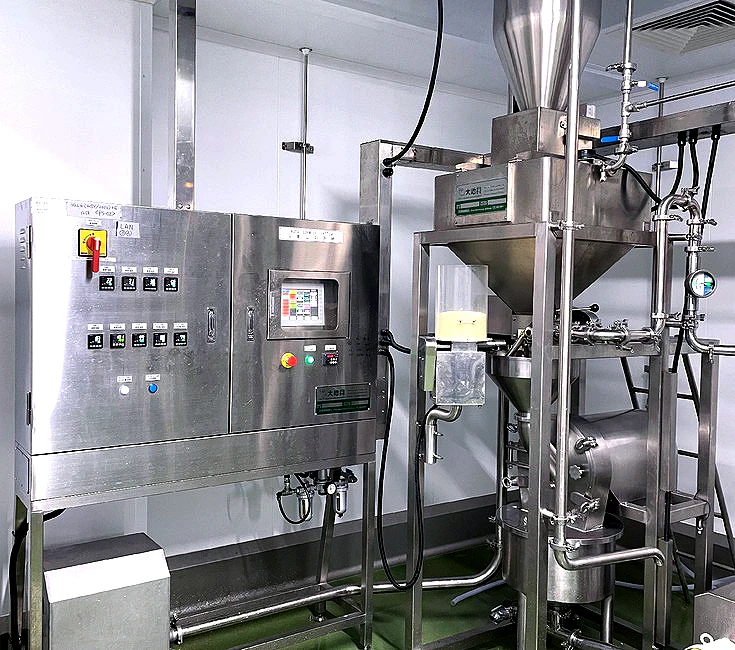
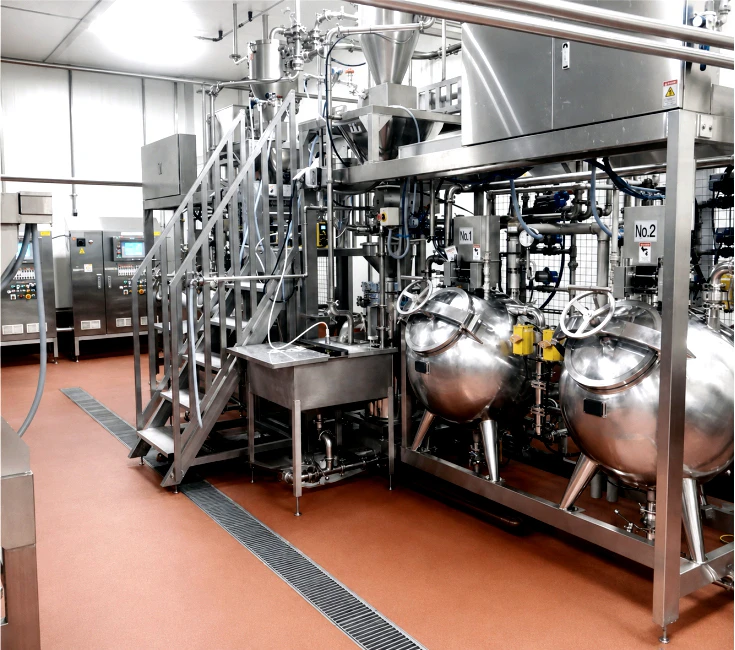
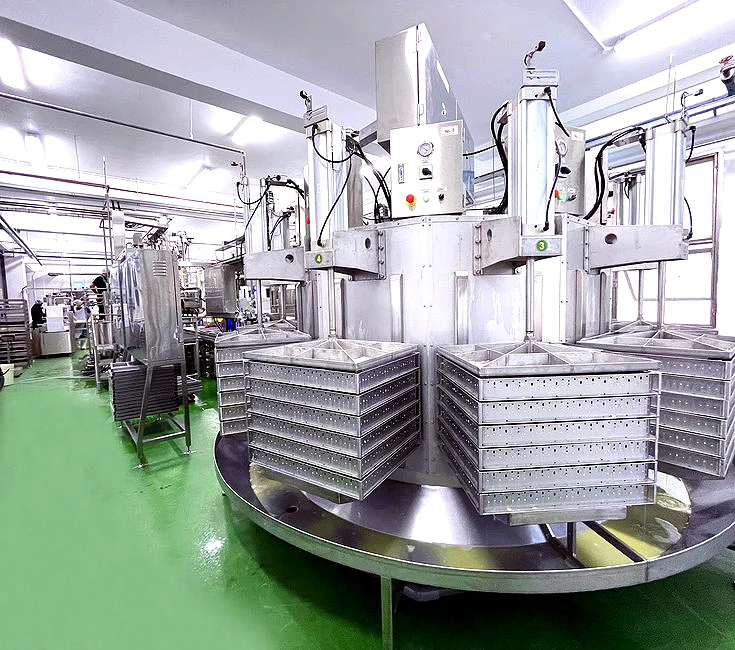
Ta Ti Hsing relates industry knowledge to real processing stages such as soybean preparation, grinding, cooking, filtering, coagulating, pressing, cutting, filling, and pasteurizing.
For equipment planning, buyers can discuss their intended product, capacity, automation level, hygiene requirements, and factory conditions with Ta Ti Hsing's project team in Taiwan.
Company Facts in Numbers
0
Years of Soyfood Machinery
0
Global Clients Worldwide
0
Patents & Certifications