
Nutritional Composition of Soybeans | Ta Ti Hsing Tofu and Soymilk Processing Equipment
Soybeans are an indispensable legume in Asian cuisine, rich in high-quality plant-based protein, carbohydrates, and fats. This article provides a detailed analysis of the nutritional composition of soybeans, offering specific values per 100 grams of cooked soybeans and explaining their importance as a primary protein source in vegetarian and various healthy diets. Choose Ta Ti Hsing for reliable tofu and soymilk processing equipment, turnkey plant planning, and application-specific production support.
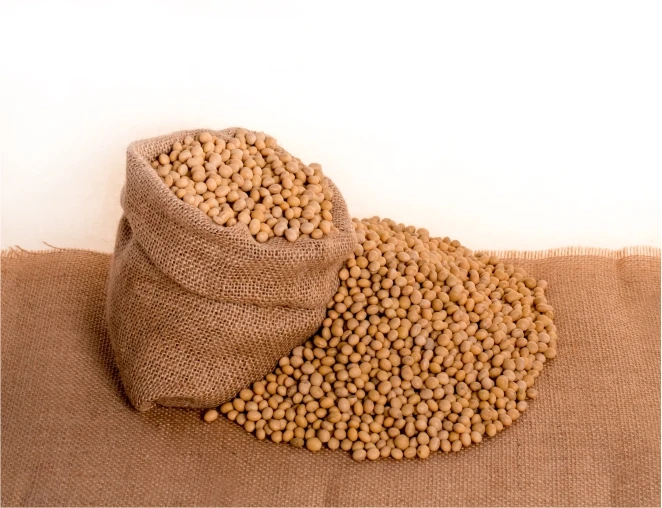
Nutritional Composition of Soybeans
Complete Nutritional Analysis of Soybeans | The Best Source of High-Quality Plant-Based Protein
Soybeans are an indispensable legume in Asian cuisine, rich in high-quality plant-based protein, carbohydrates, and fats. This article provides a detailed analysis of the nutritional composition of soybeans, offering specific values per 100 grams of cooked soybeans and explaining their importance as a primary protein source in vegetarian and various healthy diets.
Nutritional Value of Soybeans
Soybeans (scientific name: Glycine max) are a type of legume native to East Asia and have been an essential part of Asian food culture for thousands of years. Today, soybeans are primarily grown in Asia, South America, and North America. In Asian regions, people often consume whole soybeans directly, whereas in Western countries, highly processed soy products are more common, such as soy flour, soy protein, tofu, soymilk, soy sauce, and soybean oil.
Soybeans are rich in antioxidants and phytonutrients, which are associated with various health benefits. However, there is also some discussion about their potential negative effects.
Soybean Nutritional Composition Analysis
Besides water, the main component of soybeans is protein, along with moderate amounts of carbohydrates and fats. The table below provides basic nutritional information per 100 grams of cooked soybeans:
| Nutrient | Amount |
|---|---|
| Calories | 173 kcal |
| Water | 63 % |
| Protein | 16.6 g |
| Carbohydrates | 9.9 g |
| Sugar | 3 g |
| Dietary Fiber | 6 g |
| Fat | 9 g |
| Saturated Fat | 1.3 g |
| Monounsaturated Fat | 1.98 g |
| Polyunsaturated Fat | 5.06 g |
| Omega-3 | 0.6 g |
| Omega-6 | 4.47 g |
| Trans Fat | ~ |
A High-Quality Source of Plant-Based Protein
Soybeans are one of the best sources of plant-based protein. Their protein content ranges from 36% to 56% of their dry weight. One cup (about 172 grams) of cooked soybeans contains approximately 29 grams of protein. The nutritional value of soy protein is quite high, although its quality is slightly lower than that of animal protein.
The main proteins in soybeans are glycinin and conglycinin, which account for about 80% of the total protein content. These proteins may cause allergic reactions in some people. Additionally, soybeans contain bioactive proteins such as lectin and lunasin, which may have anti-cancer potential.
Conclusion: Soybeans are an extremely rich source of plant-based protein, making them an ideal choice for vegetarian and vegan diets.
 Download
 Nutritional Composition of Soybeans | Ta Ti Hsing
Nutritional Composition of Soybeans gives food manufacturers, plant-based product teams, and equipment buyers useful context for understanding soy food applications, production decisions, or market developments.
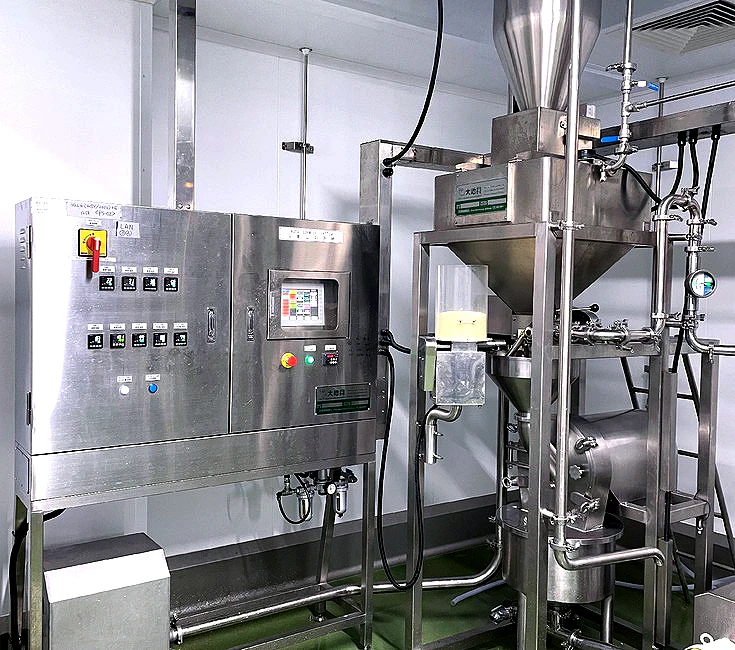
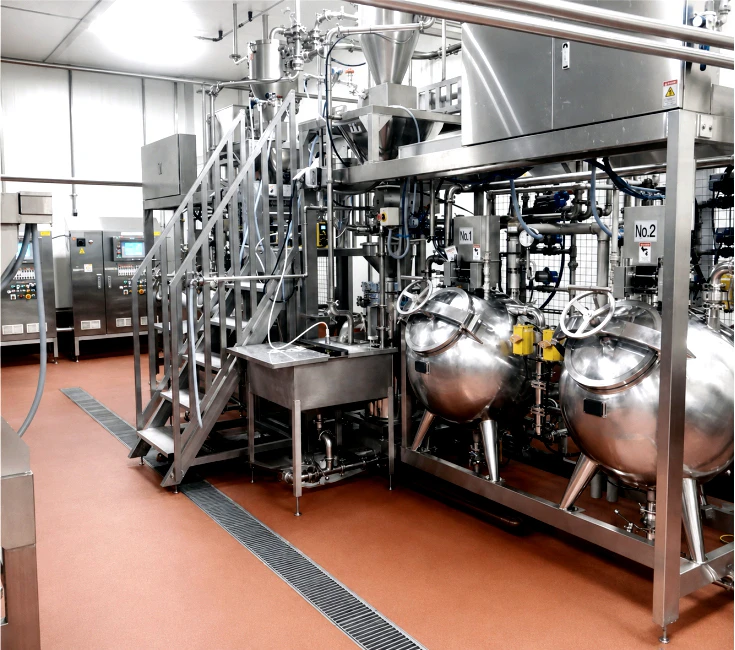
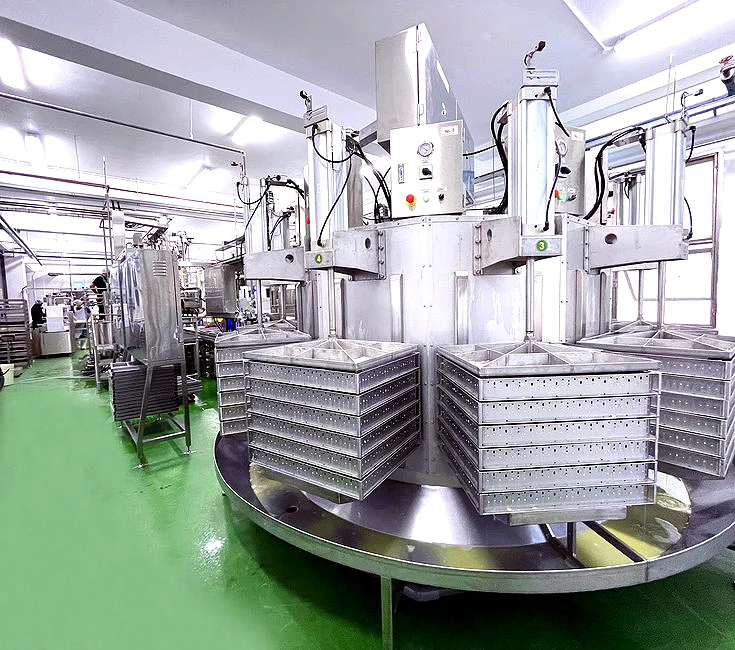
Ta Ti Hsing relates industry knowledge to real processing stages such as soybean preparation, grinding, cooking, filtering, coagulating, pressing, cutting, filling, and pasteurizing.
For equipment planning, buyers can discuss their intended product, capacity, automation level, hygiene requirements, and factory conditions with Ta Ti Hsing's project team in Taiwan.
Company Facts in Numbers
0
Years of Soyfood Machinery
0
Global Clients Worldwide
0
Patents & Certifications