
Edamame and Soybeans: The Dual Power of Plant-Based Protein | Ta Ti Hsing Tofu and Soymilk Processing Equipment
Edamame and soybeans are nutrient-rich sources of plant-based protein, providing all essential amino acids, making them 'complete proteins.' They are rich in heart-healthy Omega-3 fatty acids, polyunsaturated fats, and are cholesterol-free, aligning with modern healthy eating trends. Additionally, soybeans and edamame are significant sources of B vitamins, including thiamine, riboflavin, and folate. This article will provide an in-depth analysis of their nutritional value, offering professional knowledge about this key raw material for food processing businesses. Choose Ta Ti Hsing for reliable tofu and soymilk processing equipment, turnkey plant planning, and application-specific production support.
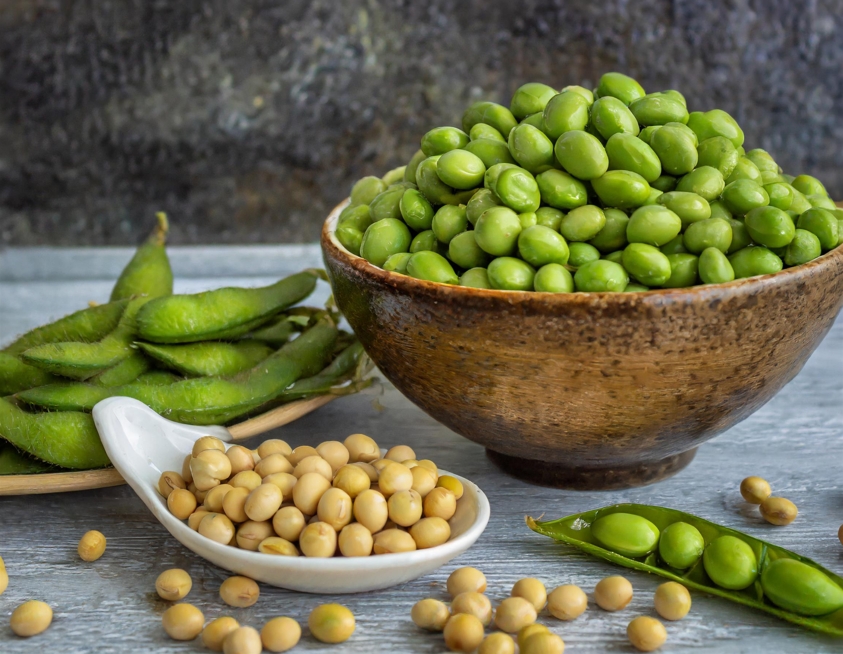
Edamame and Soybeans: The Dual Power of Plant-Based Protein
A Complete Nutritional Analysis of Edamame and Soybeans: A Quality Source of Plant-Based Complete Protein and Essential Amino Acids | Ta Ti Hsing
Edamame and soybeans are nutrient-rich sources of plant-based protein, providing all essential amino acids, making them 'complete proteins.' They are rich in heart-healthy Omega-3 fatty acids, polyunsaturated fats, and are cholesterol-free, aligning with modern healthy eating trends. Additionally, soybeans and edamame are significant sources of B vitamins, including thiamine, riboflavin, and folate. This article will provide an in-depth analysis of their nutritional value, offering professional knowledge about this key raw material for food processing businesses.
The Nutritional Power Duo of Plant Protein
Edamame and soybeans are natural foods with extremely high nutritional value. They are not only a key source of protein for vegetarians and vegans but also offer comprehensive health benefits. Both edamame and soybeans contain all essential amino acids, providing the complete protein necessary for the human body to function properly. According to the United States Department of Agriculture (USDA), a daily intake of about 5.5 ounces of protein is recommended, which includes soy products. Half a cup of edamame can provide 36% of the daily recommended protein intake, while raw soybeans provide as much as 73%. Furthermore, they are rich in heart-healthy Omega-3 fatty acids, polyunsaturated fats, and are cholesterol-free, perfectly aligning with today's health-conscious dietary trends.
For those following a low-carbohydrate diet, edamame is an ideal choice, containing only 8.4 grams of carbohydrates per 100 grams, allowing for guilt-free enjoyment.
Providing Essential Vitamins
Both forms of soy are rich in B vitamins. Mature soybeans are even richer in B vitamins than cooked green edamame. The B vitamin content analysis is as follows (per 100 grams):
- Thiamine (Vitamin B1): Soybeans provide 73% of the Daily Value (DV); edamame provides 13%.
- Riboflavin (Vitamin B2): Soybeans provide 67% of the Daily Value (DV); edamame provides 22%.
- Pantothenic Acid (Vitamin B5): Soybeans provide 15% of the Daily Value (DV); edamame provides 4%.
- Vitamin B6: Soybeans provide 22% of the Daily Value (DV); edamame provides 14%.
- Folate (Vitamin B9): Soybeans provide 94% of the Daily Value (DV); edamame provides 14%.
 Download
 Edamame and Soybeans: The Dual Power of Plant-Based Protein | Ta Ti Hsing
Edamame and Soybeans: The Dual Power of Plant-Based Protein gives food manufacturers, plant-based product teams, and equipment buyers useful context for understanding soy food applications, production decisions, or market developments.
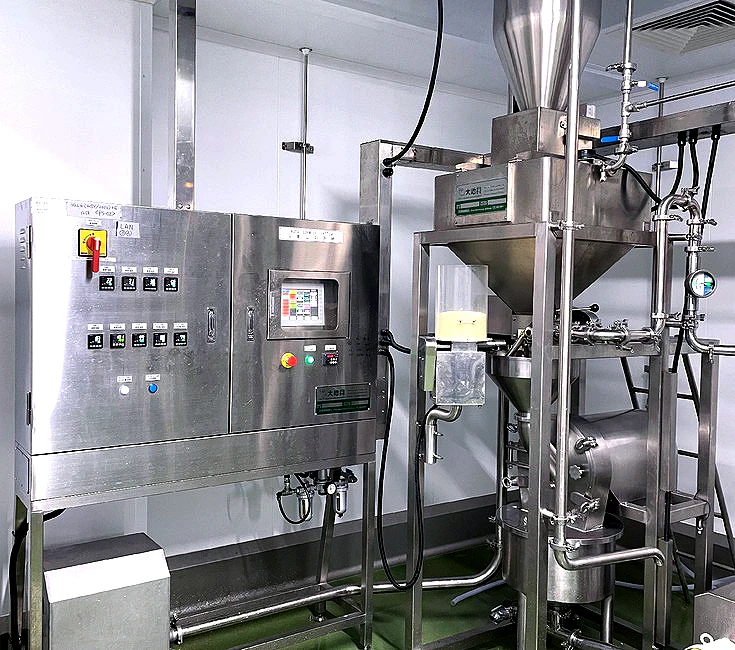
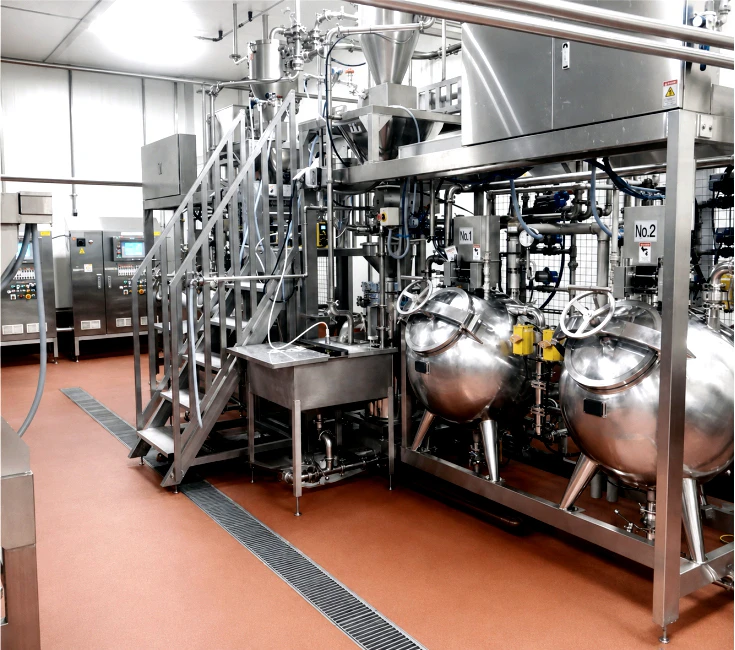
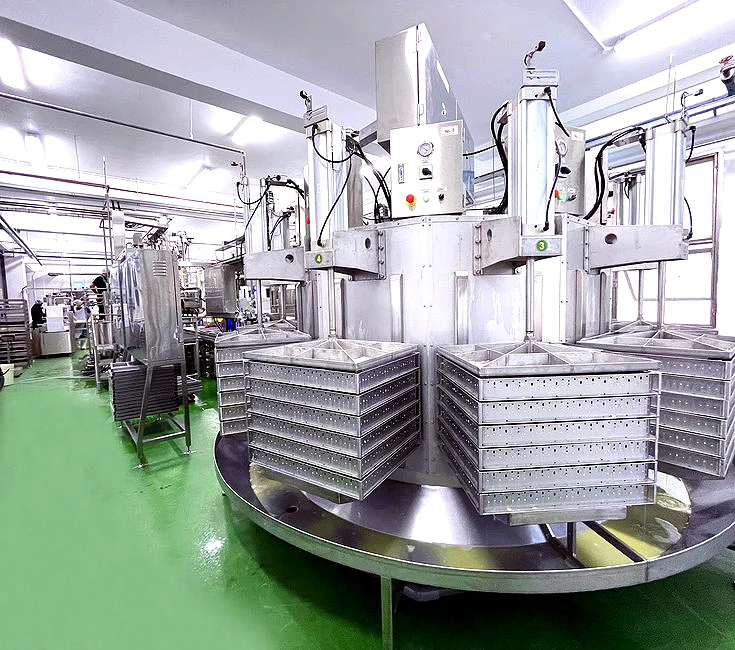
Ta Ti Hsing relates industry knowledge to real processing stages such as soybean preparation, grinding, cooking, filtering, coagulating, pressing, cutting, filling, and pasteurizing.
For equipment planning, buyers can discuss their intended product, capacity, automation level, hygiene requirements, and factory conditions with Ta Ti Hsing's project team in Taiwan.
Company Facts in Numbers
0
Years of Soyfood Machinery
0
Global Clients Worldwide
0
Patents & Certifications