
The Difference Between Edamame and Soybeans | Ta Ti Hsing Tofu and Soymilk Processing Equipment
Edamame are young, immature soybeans, while soybeans are their mature, dried form. Although they come from the same plant, they have significant differences in appearance, texture, uses, and some nutritional components. However, both are excellent sources of complete plant-based protein, rich in all the essential amino acids for the human body, making them an indispensable nutritional core for vegetarians and vegans. This article will provide an in-depth analysis of the key differences between edamame and soybeans, as well as their respective health benefits. Choose Ta Ti Hsing for reliable tofu and soymilk processing equipment, turnkey plant planning, and application-specific production support.
The Difference Between Edamame and Soybeans
The Difference Between Edamame and Soybeans: Nutritional Value, Uses, and Health Benefits Explained | Ta Ti Hsing
Edamame are young, immature soybeans, while soybeans are their mature, dried form. Although they come from the same plant, they have significant differences in appearance, texture, uses, and some nutritional components. However, both are excellent sources of complete plant-based protein, rich in all the essential amino acids for the human body, making them an indispensable nutritional core for vegetarians and vegans. This article will provide an in-depth analysis of the key differences between edamame and soybeans, as well as their respective health benefits.
Introduction: Same Plant, Different Stages of Soybeans
Soybeans belong to the legume family and are an important part of traditional Asian food culture, now also widely popular in Western countries. Many people may not know that the edamame we often eat and soybeans are actually the same plant; the main difference lies in the stage of maturity at which they are harvested.
Appearance, Harvesting, and Main Uses
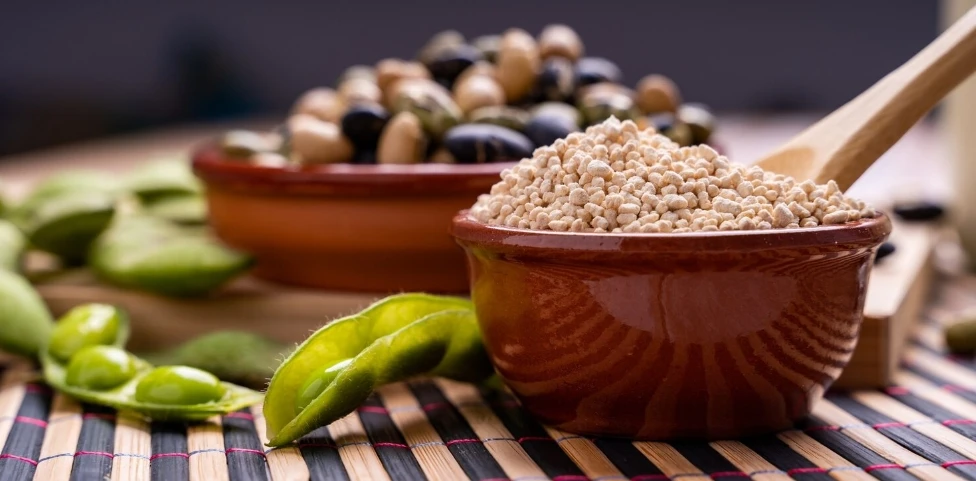
The most intuitive difference between edamame and soybeans is their harvest time and appearance. Edamame are immature, "young" soybeans, harvested when the pods are still bright green and plump. The pods have fine hairs and are usually steamed or boiled, served directly as an appetizer or a nutritious snack, with a sweet, soft, and tender texture.
In contrast, if edamame are left to grow on the plant until fully mature and dry, the pods turn yellowish-brown or black, and the beans inside harden. These are what we know as soybeans. Mature soybeans cannot be eaten raw and must be cooked, fermented, or processed. They are the key ingredient for making various soy products, such as tofu, soymilk, soy sauce, miso, soybean oil, margarine, and plant-based meats, with an extremely wide range of applications.
Nutritional Value Comparison: A Complete Plant-Based Protein Source
Both edamame and soybeans offer excellent health benefits, the most important of which is that they are both sources of "complete protein." This means they contain all nine essential amino acids that the human body cannot synthesize on its own, effectively supporting various bodily functions. For vegetarians and vegans, they are an ideal choice to meet daily protein needs.
In terms of fatty acids, both are rich in important Omega-3 fatty acids, low in saturated fat, and contain no cholesterol. According to nutritional data analysis (per 100 grams):
- Total Fat: Edamame contains about 9 grams, while dry, raw soybeans contain about 19.9 grams.
- Monounsaturated Fatty Acids: Edamame contains 1,981 mg; raw soybeans contain 4,404 mg.
- Polyunsaturated Fatty Acids: Edamame contains 5,064 mg; raw soybeans contain 11,255 mg.
In conclusion, both edamame and soybeans are highly nutritious foods. Edamame is suitable for direct consumption to enjoy its fresh flavor and texture, while soybeans, through various processing methods, have become an indispensable cornerstone of plant-based diets worldwide.
 Download
 The Difference Between Edamame and Soybeans | Ta Ti Hsing
The Difference Between Edamame and Soybeans gives food manufacturers, plant-based product teams, and equipment buyers useful context for understanding soy food applications, production decisions, or market developments.
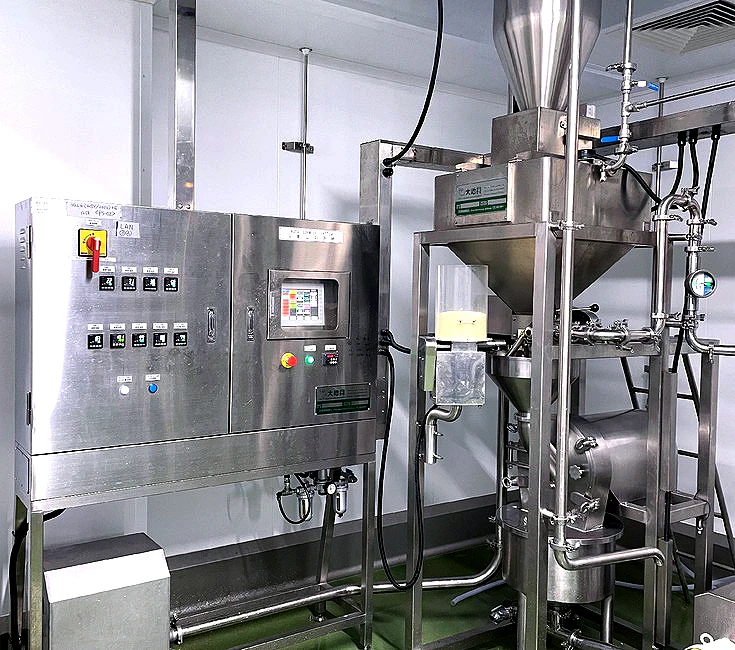
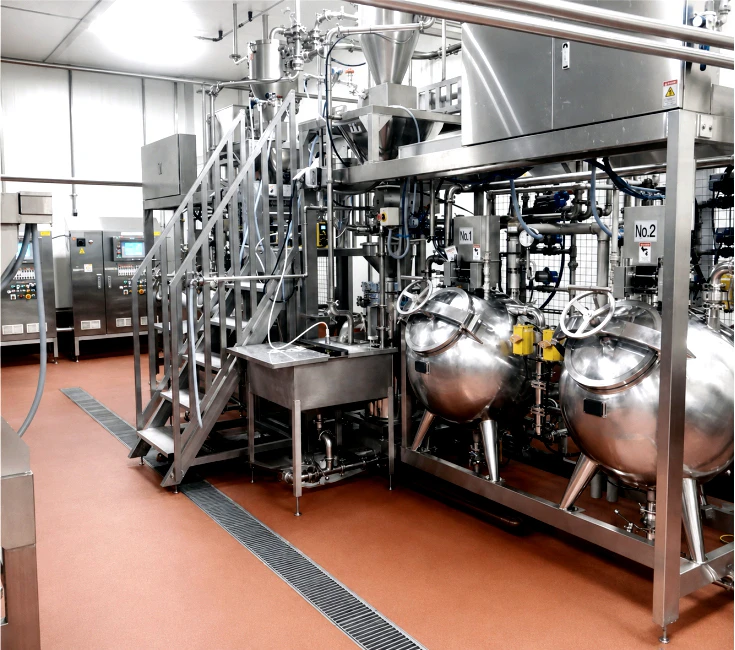
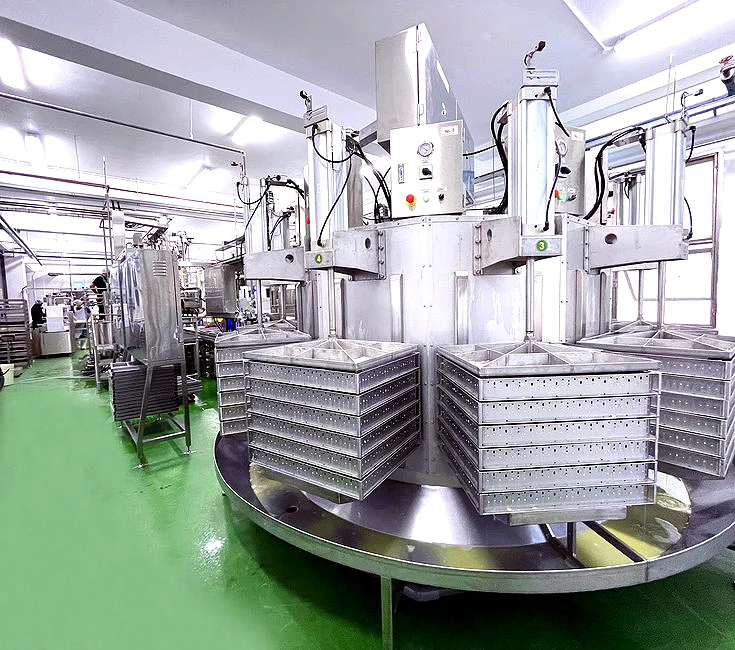
Ta Ti Hsing relates industry knowledge to real processing stages such as soybean preparation, grinding, cooking, filtering, coagulating, pressing, cutting, filling, and pasteurizing.
For equipment planning, buyers can discuss their intended product, capacity, automation level, hygiene requirements, and factory conditions with Ta Ti Hsing's project team in Taiwan.
Company Facts in Numbers
0
Years of Soyfood Machinery
0
Global Clients Worldwide
0
Patents & Certifications