
Skim Milk vs. Soymilk: A Nutritional Showdown | Ta Ti Hsing Tofu and Soymilk Processing Equipment
This article provides an in-depth comparison of the nutritional value of skim milk and soymilk. Both are rich in protein and calcium, but as a plant-based beverage, soymilk offers unique advantages such as being lactose-free and rich in Omega-3 fatty acids, making it suitable for vegetarians and individuals with lactose intolerance. In contrast, skim milk is lower in fat and calories. Through this professional analysis, we aim to provide a practical guide for health-conscious consumers and B2B clients interested in soy products to make informed dietary choices. Choose Ta Ti Hsing for reliable tofu and soymilk processing equipment, turnkey plant planning, and application-specific production support.
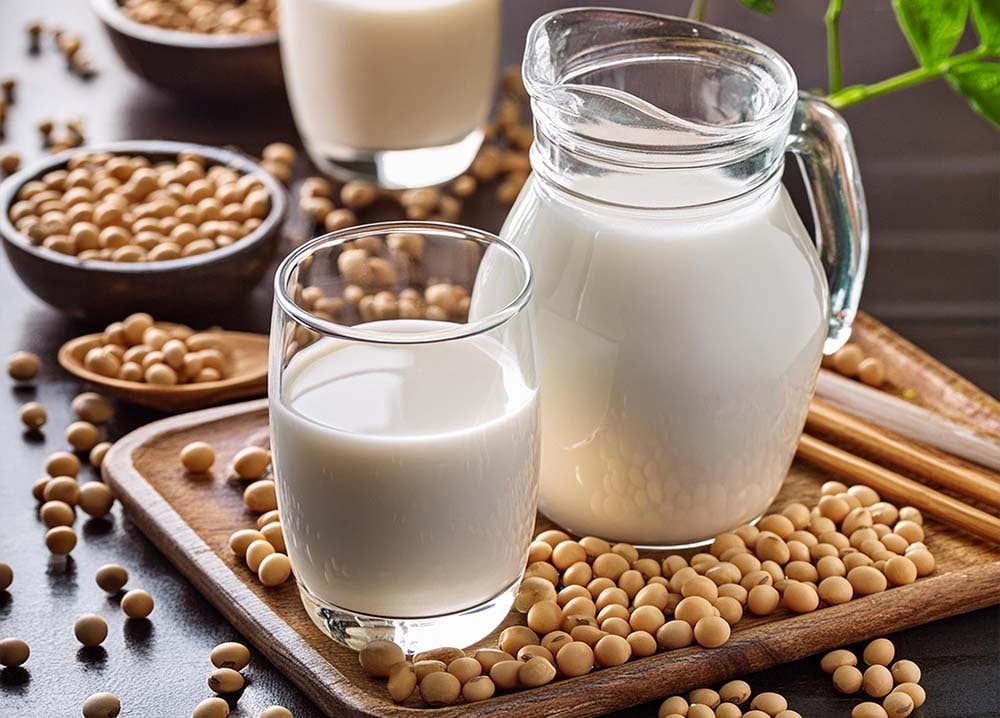
Skim Milk vs. Soymilk: A Nutritional Showdown
Skim Milk vs. Soymilk: A Complete Nutritional Comparison, Which is Better for You?
This article provides an in-depth comparison of the nutritional value of skim milk and soymilk. Both are rich in protein and calcium, but as a plant-based beverage, soymilk offers unique advantages such as being lactose-free and rich in Omega-3 fatty acids, making it suitable for vegetarians and individuals with lactose intolerance. In contrast, skim milk is lower in fat and calories. Through this professional analysis, we aim to provide a practical guide for health-conscious consumers and B2B clients interested in soy products to make informed dietary choices.
High Nutritional Value
Skim milk and soymilk are both excellent sources of protein, calcium, and vitamin D, which help maintain strong bones. However, commercial soymilk products are often fortified with additional nutrients like riboflavin, vitamin B12, and magnesium, with specific additions varying by brand. Since both are high in calcium, they offer positive benefits for bone health and weight management.
In terms of protein, a cup of skim milk contains about 8 grams of protein, with some fortified versions reaching up to 10 grams. Soymilk typically contains 6 to 7 grams of protein per cup. Although slightly lower than milk, it remains a significant source of protein.
Soymilk Has a Sweeter Taste
Made from soybeans, soymilk has a naturally sweeter flavor than cow's milk. This characteristic may be more appealing to those with a sweet tooth or who find it difficult to consume enough dairy in their diet. Of course, taste preferences are subjective, so we recommend trying it for yourself to decide.
Skim Milk is Lower in Fat
Soymilk generally has a higher fat content than skim milk. Although some soymilk brands offer low-fat, low-calorie 'light' versions, skim milk remains the lowest-fat option, with only 80 calories and 0 grams of fat per cup. If you are strictly controlling your fat intake for weight management, switching to skim milk is a simple and effective method.
Soymilk is Rich in Omega-3 Fatty Acids
Although soymilk has a higher fat content, it consists of unsaturated fats (good fats), particularly Omega-3 fatty acids. Omega-3s offer various health benefits, such as potentially helping to lower cholesterol and promoting brain development in children. While some 1%, 2%, or whole milk products are fortified with Omega-3s, this is not possible for skim milk as it contains no fat.
Soymilk is Plant-Based
If you are a vegetarian or vegan, soymilk is your ideal choice. Made from soybeans, it is entirely plant-based, aligning with a vegetarian lifestyle. Additionally, due to its plant origin, soymilk contains a small amount of dietary fiber, which skim milk lacks.
Soymilk is Lactose-Free
Soymilk is naturally lactose-free, making it a safe beverage for individuals with lactose intolerance or a milk allergy. In conclusion, both skim milk and soymilk have their own merits. You should choose the beverage that best suits your personal health goals and taste preferences.
 Download
 Skim Milk vs. Soymilk: A Nutritional Showdown | Ta Ti Hsing
Skim Milk vs. Soymilk: A Nutritional Showdown gives food manufacturers, plant-based product teams, and equipment buyers useful context for understanding soy food applications, production decisions, or market developments.
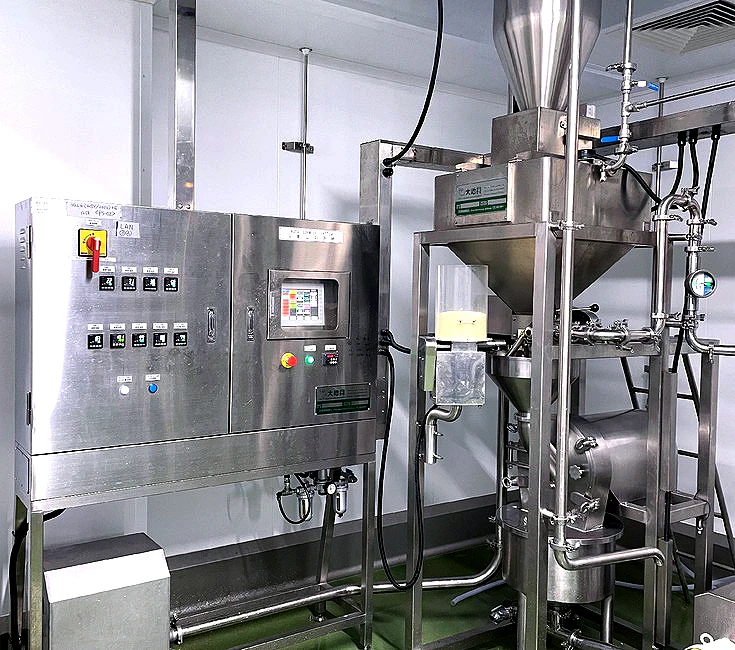
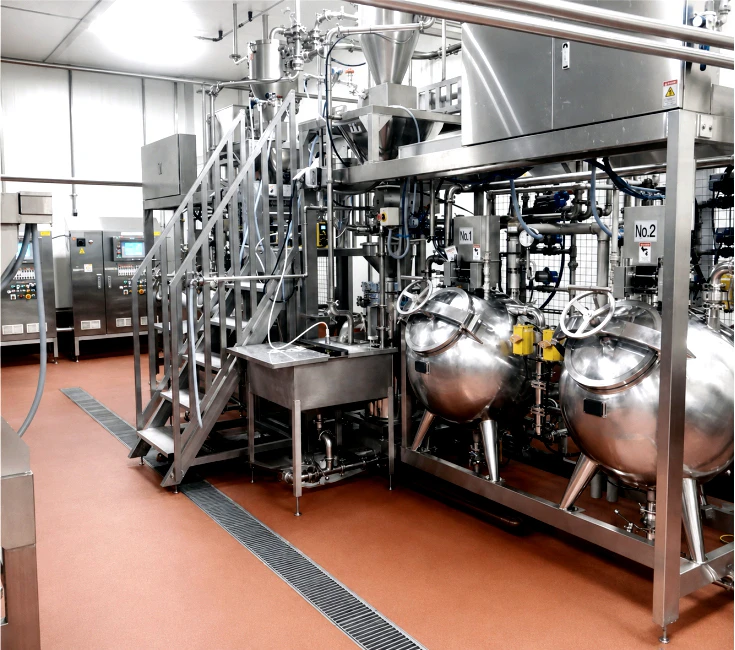
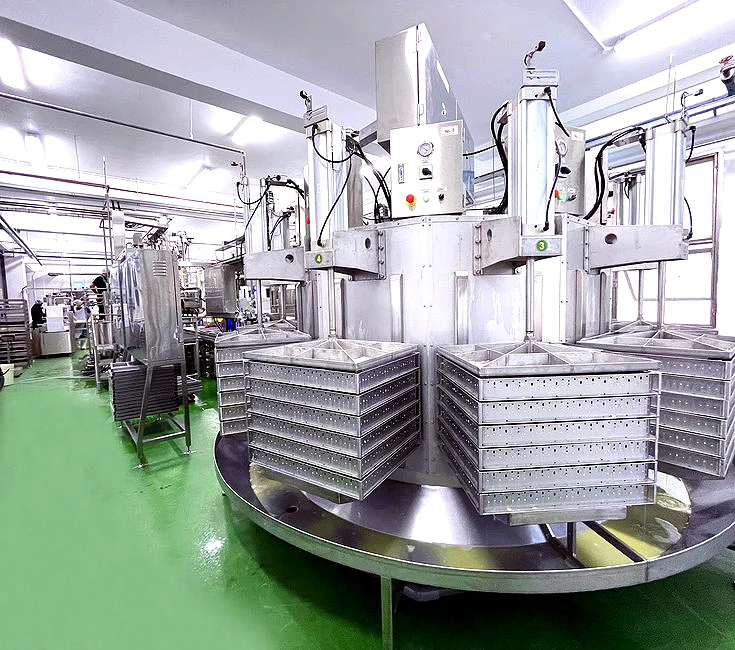
Ta Ti Hsing relates industry knowledge to real processing stages such as soybean preparation, grinding, cooking, filtering, coagulating, pressing, cutting, filling, and pasteurizing.
For equipment planning, buyers can discuss their intended product, capacity, automation level, hygiene requirements, and factory conditions with Ta Ti Hsing's project team in Taiwan.
Company Facts in Numbers
0
Years of Soyfood Machinery
0
Global Clients Worldwide
0
Patents & Certifications