
All About Soymilk | Ta Ti Hsing Tofu and Soymilk Processing Equipment
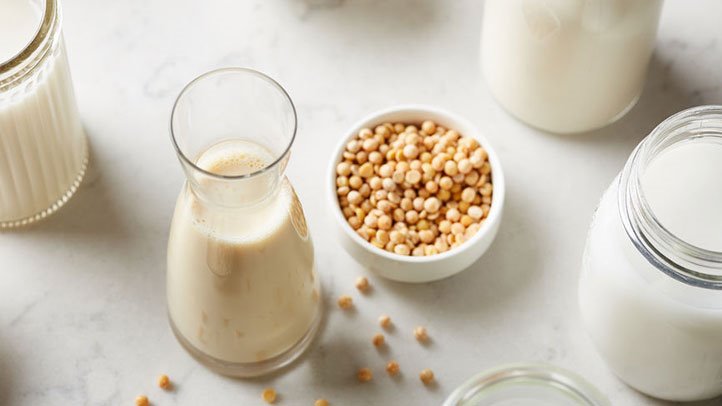
Soymilk is a plant-based beverage made from soybeans, serving as an excellent alternative to cow's milk. This article will delve into the definition, nutritional value, and reasons for its popularity. Whether due to taste preference, avoidance of dairy products, or lactose intolerance, soymilk has become a top choice for many due to its smooth texture and rich nutritional content. Many commercially available soymilks are fortified with additional nutrients like vitamins and Omega-3 fatty acids, and are rich in soy isoflavones, which have antioxidant properties, offering multiple health benefits. Choose Ta Ti Hsing for reliable tofu and soymilk processing equipment, turnkey plant planning, and application-specific production support.
All About Soymilk
A Comprehensive Guide to Soymilk: Nutrition and Benefits of a Plant-Based Dairy Alternative | Ta Ti Hsing
Soymilk is a plant-based beverage made from soybeans, serving as an excellent alternative to cow's milk. This article will delve into the definition, nutritional value, and reasons for its popularity. Whether due to taste preference, avoidance of dairy products, or lactose intolerance, soymilk has become a top choice for many due to its smooth texture and rich nutritional content. Many commercially available soymilks are fortified with additional nutrients like vitamins and Omega-3 fatty acids, and are rich in soy isoflavones, which have antioxidant properties, offering multiple health benefits.
A Precise Definition of Soymilk
Soymilk is a plant-based, non-dairy beverage often consumed as a substitute for cow's milk. It is made from soybeans, and many brands fortify it with additional nutrients like vitamin D and calcium. Soymilk not only offers versatile culinary uses and a smooth texture but also provides significant nutritional value, including essential Omega-3 fatty acids (if fortified) and flavonoids with antioxidant and anti-inflammatory properties.
Why Choose Soymilk Over Cow's Milk?
There are many reasons why people choose to add soymilk to their coffee, smoothies, or cereal. Firstly, some may not like the taste of cow's milk or may prefer the flavor of soymilk over other plant-based milks. Additionally, many people avoid dairy products for health or weight management reasons.
Another common reason is lactose intolerance. Lactose is the primary carbohydrate in cow's milk, and individuals with lactose intolerance have difficulty digesting it due to a deficiency of the enzyme lactase, leading to various gastrointestinal symptoms. In such cases, consuming plant-based milks like soymilk is a wise choice.

 Download
 All About Soymilk | Ta Ti Hsing
All About Soymilk gives food manufacturers, plant-based product teams, and equipment buyers useful context for understanding soy food applications, production decisions, or market developments.
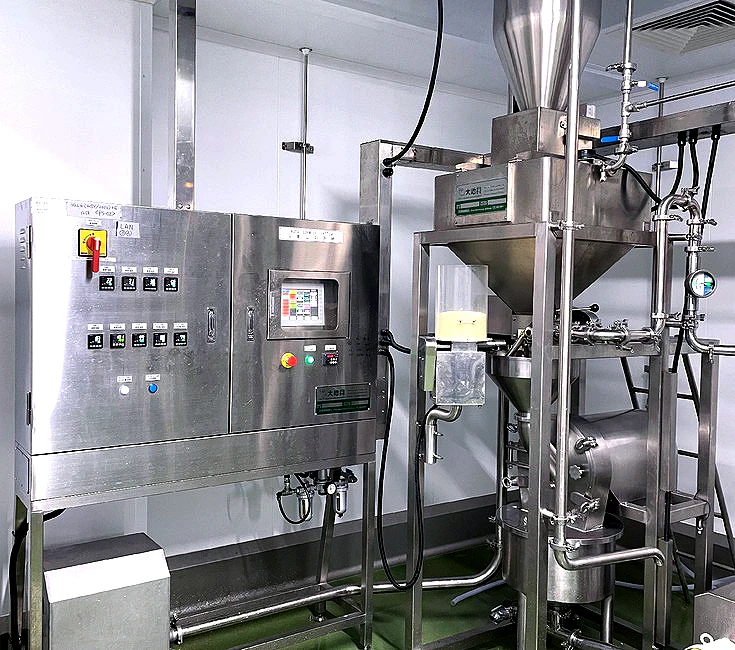
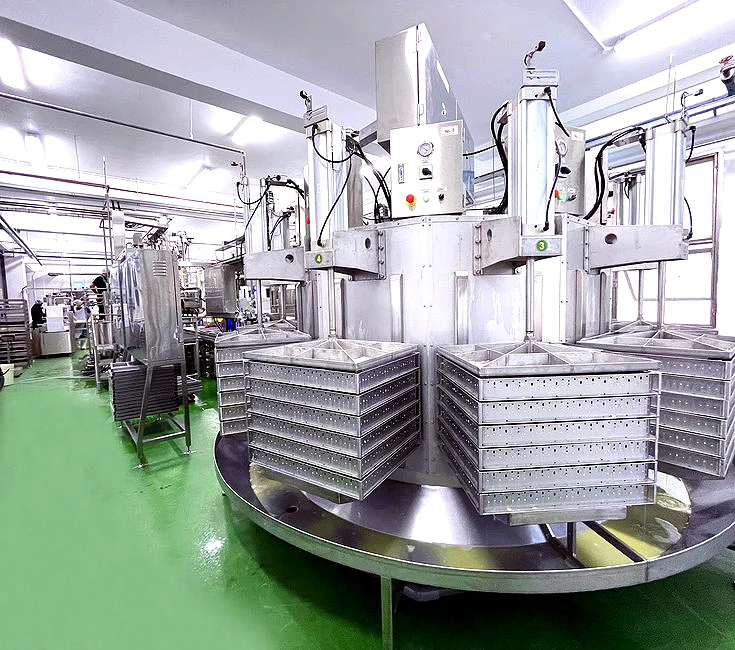
Ta Ti Hsing relates industry knowledge to real processing stages such as soybean preparation, grinding, cooking, filtering, coagulating, pressing, cutting, filling, and pasteurizing.
For equipment planning, buyers can discuss their intended product, capacity, automation level, hygiene requirements, and factory conditions with Ta Ti Hsing's project team in Taiwan.
Company Facts in Numbers
0
Years of Soyfood Machinery
0
Global Clients Worldwide
0
Patents & Certifications