
The Key to Commercial Soy Milk Shelf Life: Sterilization and Process | Ta Ti Hsing Tofu and Soymilk Processing Equipment
Have you ever wondered why commercially packaged soy milk has a much longer shelf life than homemade soy milk? The key lies in professional, industrialized production processes. Commercial soy milk undergoes Ultra-High Temperature (UHT) sterilization and aseptic filling using precision soy milk production equipment, effectively preventing microbial contamination and significantly extending the product's shelf life. In contrast, homemade or freshly prepared soy milk from local shops has a shorter shelf life due to environmental and equipment limitations that make it difficult to achieve complete sterility. This article will delve into how professional production processes ensure food safety, extend shelf life, and create the uniquely smooth and delicate texture of commercial soy milk through techniques like homogenization. Choose Ta Ti Hsing for reliable tofu and soymilk processing equipment, turnkey plant planning, and application-specific production support.
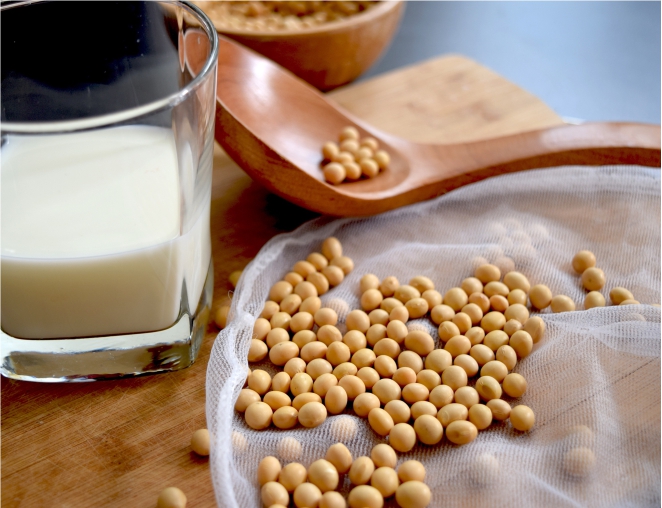
The Key to Commercial Soy Milk Shelf Life: Sterilization and Process
The Secret to Commercial Soy Milk Shelf Life: Professional Soy Milk Production Equipment and Sterilization Technology | Ta Ti Hsing
Have you ever wondered why commercially packaged soy milk has a much longer shelf life than homemade soy milk? The key lies in professional, industrialized production processes. Commercial soy milk undergoes Ultra-High Temperature (UHT) sterilization and aseptic filling using precision soy milk production equipment, effectively preventing microbial contamination and significantly extending the product's shelf life. In contrast, homemade or freshly prepared soy milk from local shops has a shorter shelf life due to environmental and equipment limitations that make it difficult to achieve complete sterility. This article will delve into how professional production processes ensure food safety, extend shelf life, and create the uniquely smooth and delicate texture of commercial soy milk through techniques like homogenization.
Why Can Commercial Soy Milk Be Stored Longer? The Key Lies in Professional Equipment and Sterilization Technology
Many consumers notice that homemade or freshly prepared soy milk from breakfast shops can only be stored for two to three days, even when refrigerated. In contrast, packaged soy milk from supermarkets can have a shelf life of several weeks or even months. This is not due to added preservatives but relies on rigorous industrial production processes and professional food processing equipment.
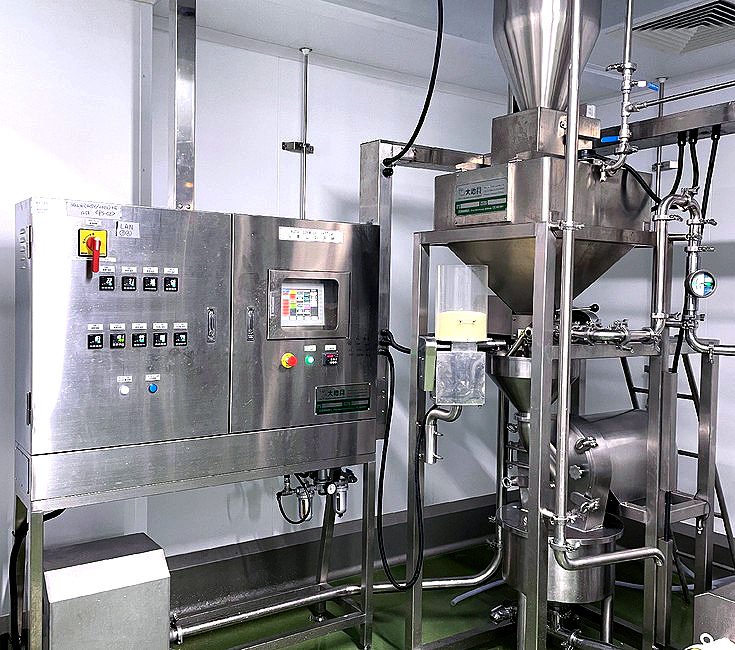
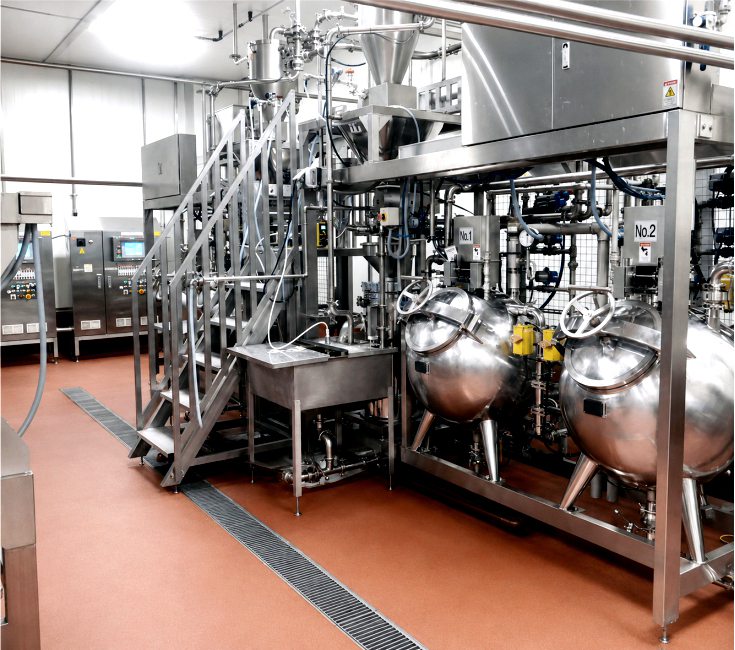
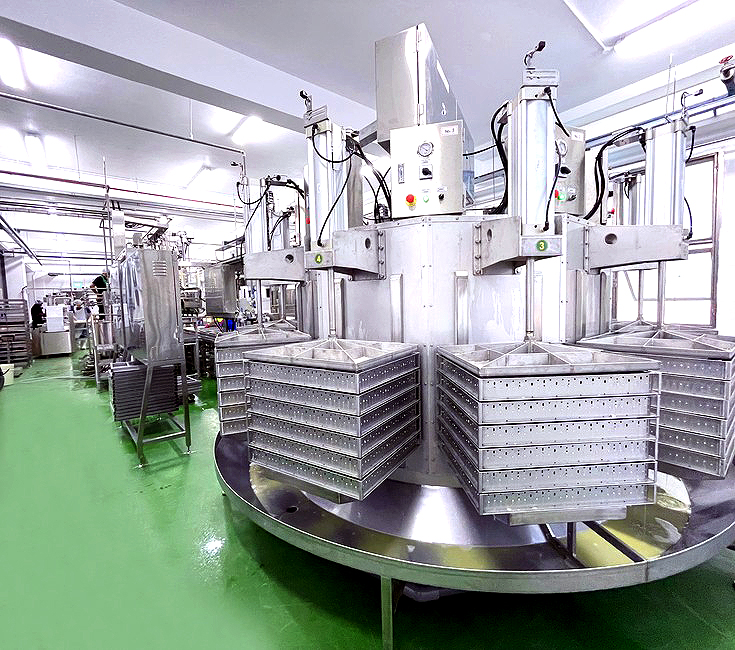
To ensure food safety and quality stability in large-scale production, the manufacturing process for commercial soy milk utilizes fully automated production lines provided by professional manufacturers like Ta Ti Hsing. Every step, from soybean washing, grinding, and cooking to filtering, is conducted in a strictly controlled environment. The core technologies for extending shelf life lie in two key areas:
- Ultra-High Temperature (UHT) Sterilization: After cooking, the soy milk passes through professional sterilization equipment, where it is heated to over 135°C for a few seconds. This process effectively kills most bacteria and spores while preserving the soy milk's nutrition and flavor as much as possible.
- Aseptic Filling and Packaging: The sterilized soy milk is immediately filled and sealed in a sterile environment. This prevents secondary contamination from airborne microorganisms during the packaging process. Soy milk using aseptic packaging technology, such as Tetra Pak, can even be stored at room temperature for 9 to 12 months.
The Secret to Soy Milk's Texture: The Homogenization Process
Besides shelf life, commercial soy milk typically has a smoother and more delicate texture than homemade versions, thanks to the 'high-pressure homogenization' process. After sterilization, the soy milk passes through a homogenizer, which uses high pressure to break down fat globules and protein particles into smaller, more uniform sizes. This not only prevents oil-water separation but also creates a rich, smooth texture similar to fresh milk, eliminating the beany taste and coarse mouthfeel often found in regular soy milk.
Safety Tips for Homemade Soy Milk
While homemade soy milk cannot achieve industrial-grade preservation, it remains a healthy option as long as proper hygiene and thorough heating are observed. Please note that homemade soy milk must be brought to a full boil, as raw soy milk contains substances like saponins that can cause gastrointestinal discomfort. Typically, after the initial 'false boil,' it should be simmered over low heat with constant stirring for about 20 minutes to ensure it is fully cooked and safe to drink.
In conclusion, the extended shelf life of both refrigerated and shelf-stable soy milk is a result of modern food industry technology, centered on professional production equipment and strict quality management. The next time you purchase soy milk, you can identify the production technology used by its packaging and storage method. Be sure to consume it promptly after opening to ensure the best flavor and safety.
 Download
 The Key to Commercial Soy Milk Shelf Life: Sterilization and Process | Ta Ti Hsing
The Key to Commercial Soy Milk Shelf Life: Sterilization and Process gives food manufacturers, plant-based product teams, and equipment buyers useful context for understanding soy food applications, production decisions, or market developments.
Ta Ti Hsing relates industry knowledge to real processing stages such as soybean preparation, grinding, cooking, filtering, coagulating, pressing, cutting, filling, and pasteurizing.
For equipment planning, buyers can discuss their intended product, capacity, automation level, hygiene requirements, and factory conditions with Ta Ti Hsing's project team in Taiwan.
Company Facts in Numbers
0
Years of Soyfood Machinery
0
Global Clients Worldwide
0
Patents & Certifications