
Health Benefits of Soybeans | Ta Ti Hsing Tofu and Soymilk Processing Equipment
As a nutrient-rich whole food, soybeans offer multiple benefits for human health. Studies indicate that regular consumption of soy products may be associated with a reduced risk of breast and prostate cancer, with key components like isoflavones and lectins believed to have potential anti-cancer effects. Furthermore, the isoflavones in soybeans (a type of phytoestrogen) can effectively alleviate menopausal symptoms in women caused by decreased estrogen, such as hot flashes and mood swings. Soybeans also have a positive impact on bone health, particularly helping to reduce the risk of osteoporosis in postmenopausal women, making them an excellent nutritional source for maintaining bone density and strength. Choose Ta Ti Hsing for reliable tofu and soymilk processing equipment, turnkey plant planning, and application-specific production support.
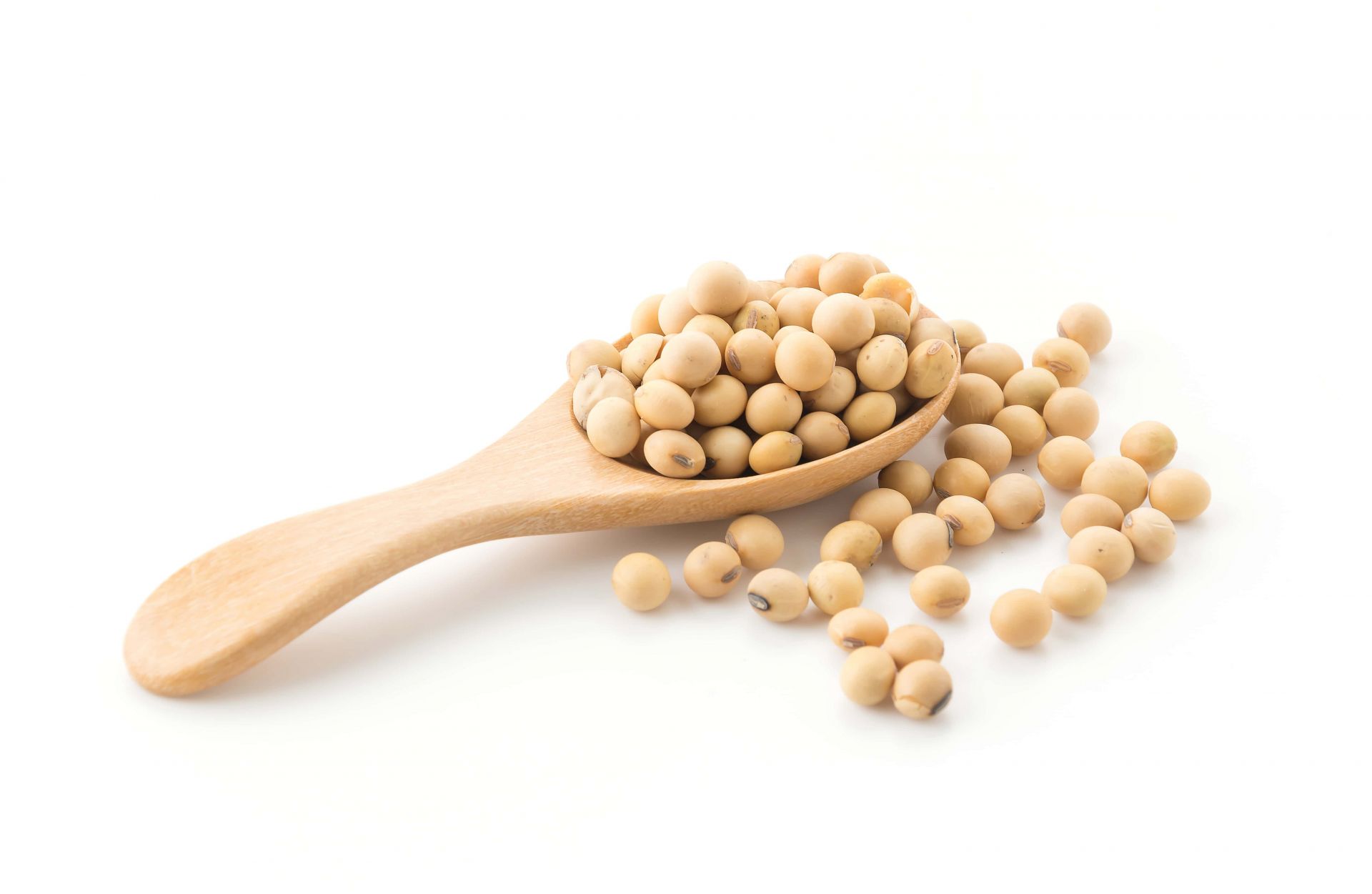
Health Benefits of Soybeans
Health Benefits of Soybeans: Cancer Prevention, Menopause Symptom Relief, and Bone Health Promotion
As a nutrient-rich whole food, soybeans offer multiple benefits for human health. Studies indicate that regular consumption of soy products may be associated with a reduced risk of breast and prostate cancer, with key components like isoflavones and lectins believed to have potential anti-cancer effects. Furthermore, the isoflavones in soybeans (a type of phytoestrogen) can effectively alleviate menopausal symptoms in women caused by decreased estrogen, such as hot flashes and mood swings. Soybeans also have a positive impact on bone health, particularly helping to reduce the risk of osteoporosis in postmenopausal women, making them an excellent nutritional source for maintaining bone density and strength.
Like most natural foods, soybeans have numerous positive effects on human health. Below, we will explore the scientific evidence regarding soybeans' role in preventing specific diseases, alleviating menopausal symptoms, and maintaining bone health.
Preventing Breast and Prostate Cancer
Cancer is one of the leading causes of death in modern society. Although it was once hypothesized that consuming soy products could increase breast tissue in women and thus raise the risk of breast cancer, most observational studies show the opposite, suggesting that soy product intake may reduce the risk of breast cancer. Similarly, research also indicates that soybeans have a protective effect against prostate cancer in men.
Several components in soybeans are believed to have potential anti-cancer effects, including isoflavones, lectins, and lunasin. Exposure to isoflavones, especially early in life, may play a crucial protective role in preventing breast cancer later on. It is important to note that all current human studies on this topic are observational, showing only a correlation between soy intake and cancer risk, but have not yet established a causal relationship.
Alleviating Menopausal Symptoms
Menopause is the stage in a woman's life when menstruation ceases, often accompanied by uncomfortable symptoms like night sweats, hot flashes, and mood swings due to declining estrogen levels. Interestingly, Asian women (especially Japanese women) experience menopausal symptoms at a much lower rate than Western women. Differences in dietary habits, such as the higher consumption of soy foods in Asia, may be one reason for this phenomenon.
Studies indicate that isoflavones (a type of phytoestrogen) abundant in soybeans help alleviate menopausal symptoms. However, this effect is not the same for all women; it appears to be effective only for so-called "equol producers." These women have a specific type of gut bacteria that can convert isoflavones into equol, which is believed to be the key substance behind many of soy's health benefits. One study showed that a daily intake of 135 mg of isoflavones (equivalent to 68 g of soybeans per day) for one week reduced menopausal symptoms only in equol producers. While hormone therapy has traditionally been used to treat menopausal symptoms, isoflavone supplements are now a widely used alternative.
Promoting Bone Health
Osteoporosis is a disease characterized by reduced bone density and an increased risk of fractures, particularly common in older women. Research shows that consuming soy products can help reduce the risk of osteoporosis in postmenopausal women, having a positive effect on maintaining bone density and strength.
 Download
 Health Benefits of Soybeans | Ta Ti Hsing
Health Benefits of Soybeans addresses a practical question raised by tofu, soymilk, and soy food manufacturers when evaluating equipment performance, production methods, installation, or technical support.
Ta Ti Hsing draws on soy food machinery experience dating to 1961 and supports projects ranging from small specialty production to automated industrial lines.
For an application-specific answer, buyers can provide their soybean conditions, product type, target capacity, automation needs, plant location, and applicable food-safety requirements.
Company Facts in Numbers
0
Years of Soyfood Machinery
0
Global Clients Worldwide
0
Patents & Certifications