
Benefits of Fermented Soybeans | Ta Ti Hsing Tofu and Soymilk Processing Equipment
This article explores the health benefits of fermented soy products (such as tempeh and miso). It points out that the fermentation process effectively breaks down proteins in soybeans, significantly reducing their allergenicity and lowering the chance of allergic reactions. It also increases the bioavailability of essential amino acids, making nutrients easier to absorb. Choose Ta Ti Hsing for reliable tofu and soymilk processing equipment, turnkey plant planning, and application-specific production support.
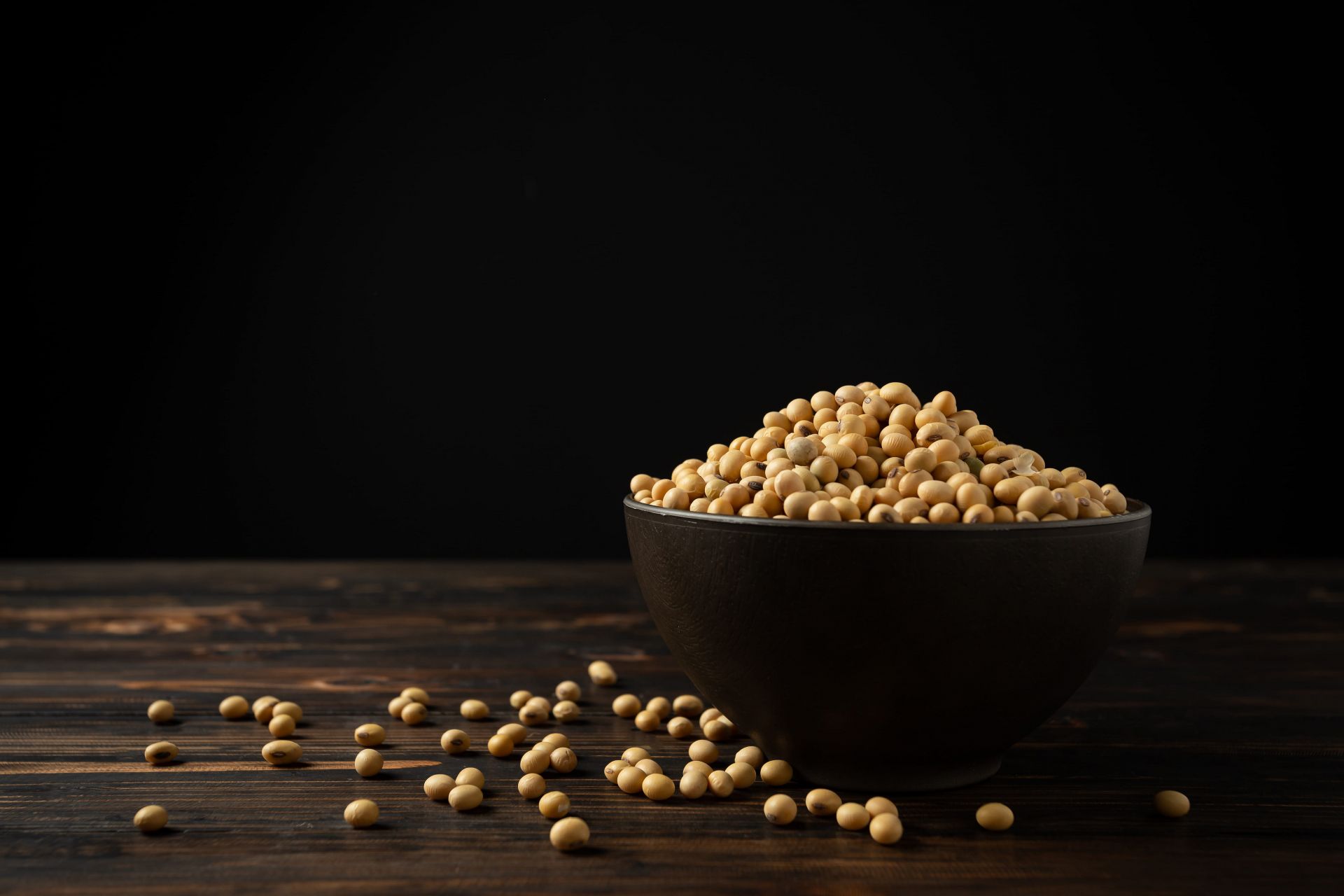
Benefits of Fermented Soybeans
Benefits of Fermented Soybeans: Reduced Allergenicity and Enhanced Nutritional Value | Ta Ti Hsing
This article explores the health benefits of fermented soy products (such as tempeh and miso). It points out that the fermentation process effectively breaks down proteins in soybeans, significantly reducing their allergenicity and lowering the chance of allergic reactions. It also increases the bioavailability of essential amino acids, making nutrients easier to absorb.
The humble soybean, similar in appearance to peas in a pod, can be prepared by boiling, soaking, coagulating, roasting, or fermenting to become a staple in vegetarian diets. Tofu, soymilk, and edamame are unfermented soy products, while tempeh, miso, and soy sauce are examples of fermented soy foods. Fermented soybeans can offer several benefits to your health.
Reduced Allergenicity
Soybeans, along with dairy and nuts, are among the most common food allergens. However, research shows that the fermentation process can significantly reduce the allergenicity of soybeans. A 2008 study by researchers at the University of Illinois, published in the journal Food Engineering and Ingredients, found that fermentation reduced allergic reactions to soy by 99%.
The fermentation process also appears to increase the bioavailability of amino acids in soy foods. Researchers note that fermentation breaks down soy proteins into tiny molecules that antibodies cannot recognize as foreign substances, thus preventing an allergic reaction.
Source: healthyeating.sfgate.com
 Download
 Benefits of Fermented Soybeans | Ta Ti Hsing
Benefits of Fermented Soybeans gives food manufacturers, plant-based product teams, and equipment buyers useful context for understanding soy food applications, production decisions, or market developments.
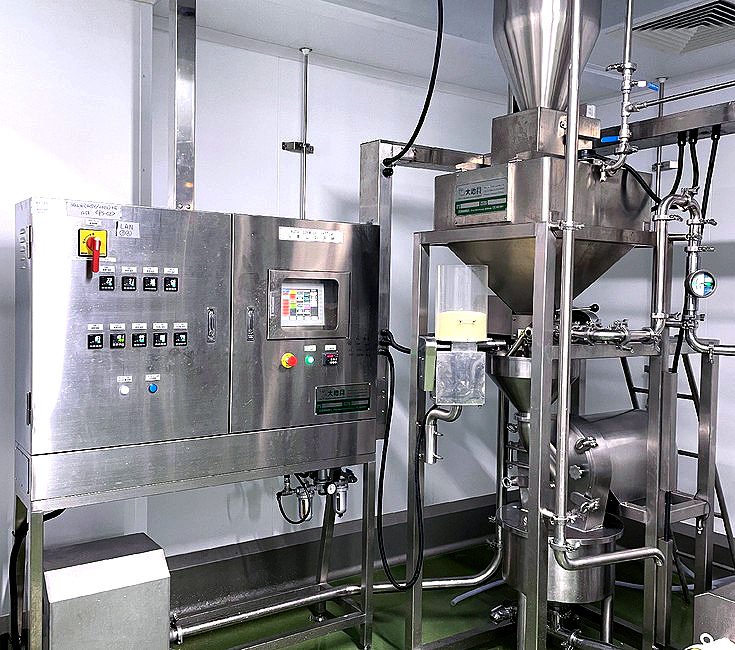
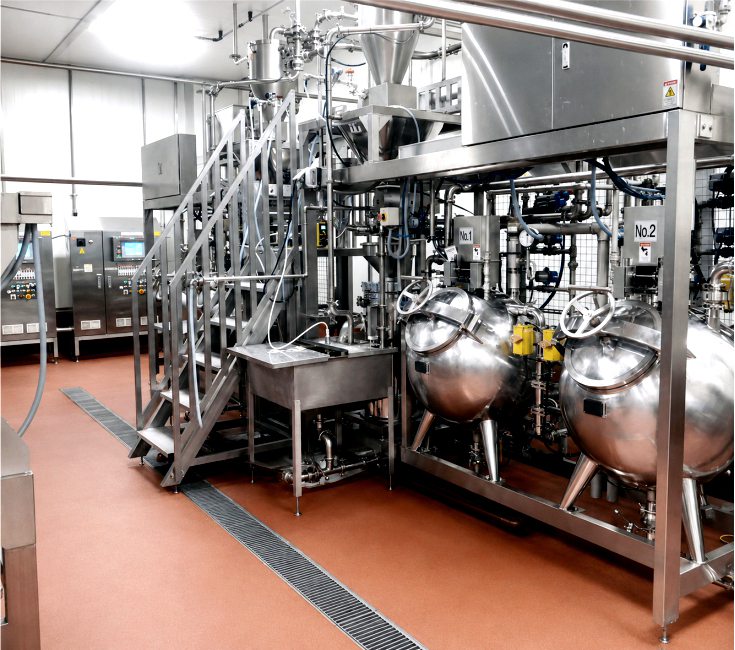
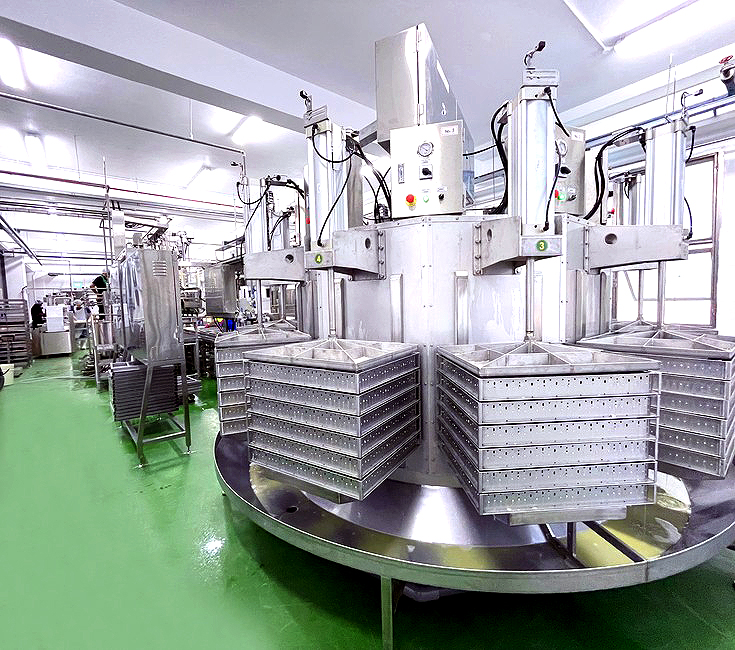
Ta Ti Hsing relates industry knowledge to real processing stages such as soybean preparation, grinding, cooking, filtering, coagulating, pressing, cutting, filling, and pasteurizing.
For equipment planning, buyers can discuss their intended product, capacity, automation level, hygiene requirements, and factory conditions with Ta Ti Hsing's project team in Taiwan.
Company Facts in Numbers
0
Years of Soyfood Machinery
0
Global Clients Worldwide
0
Patents & Certifications